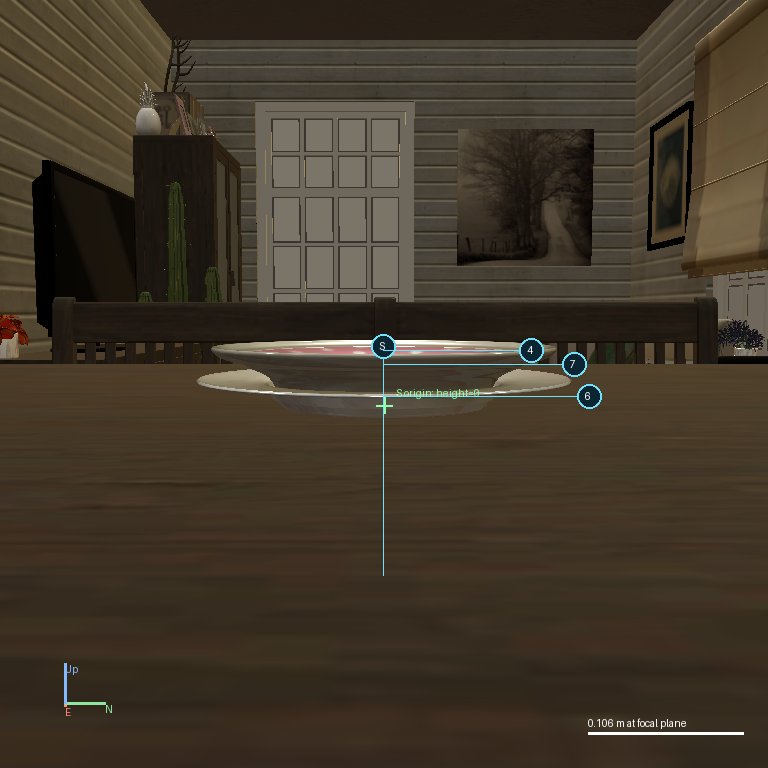
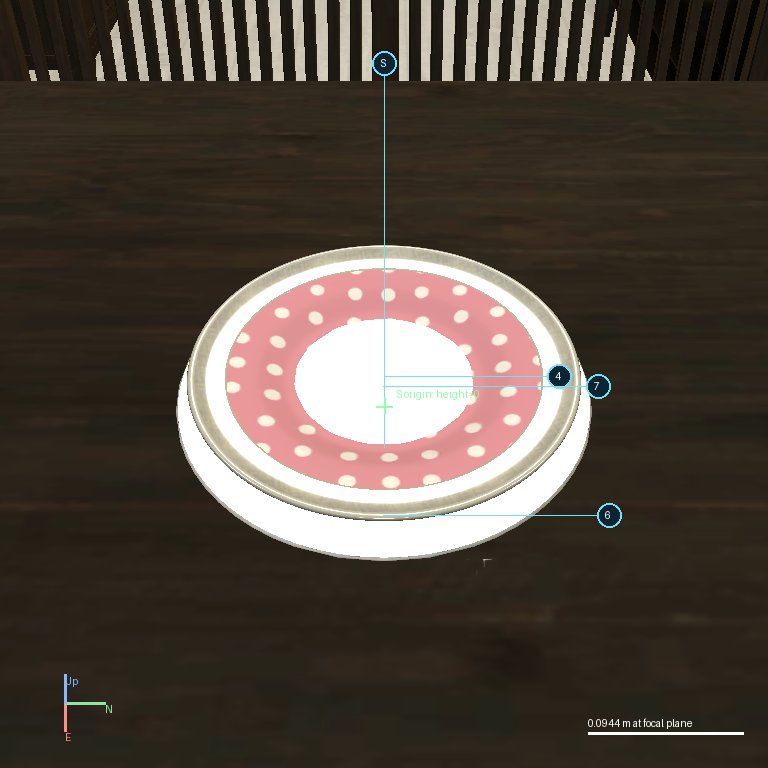
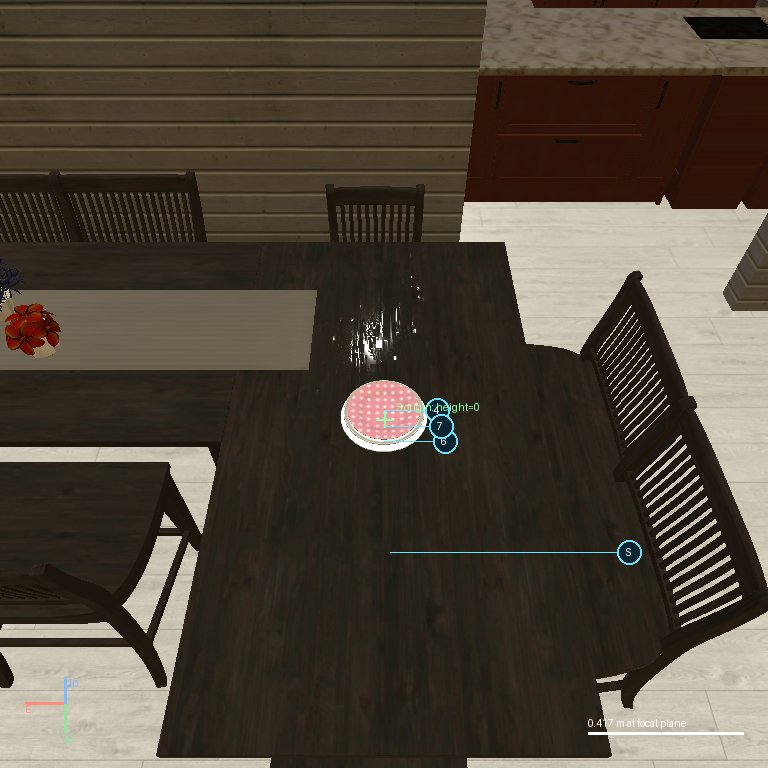
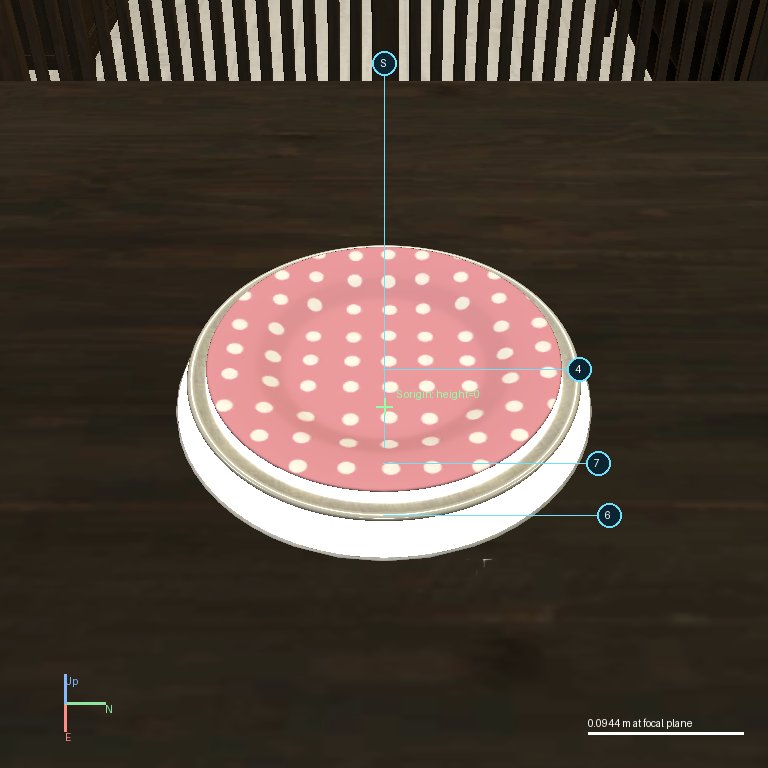
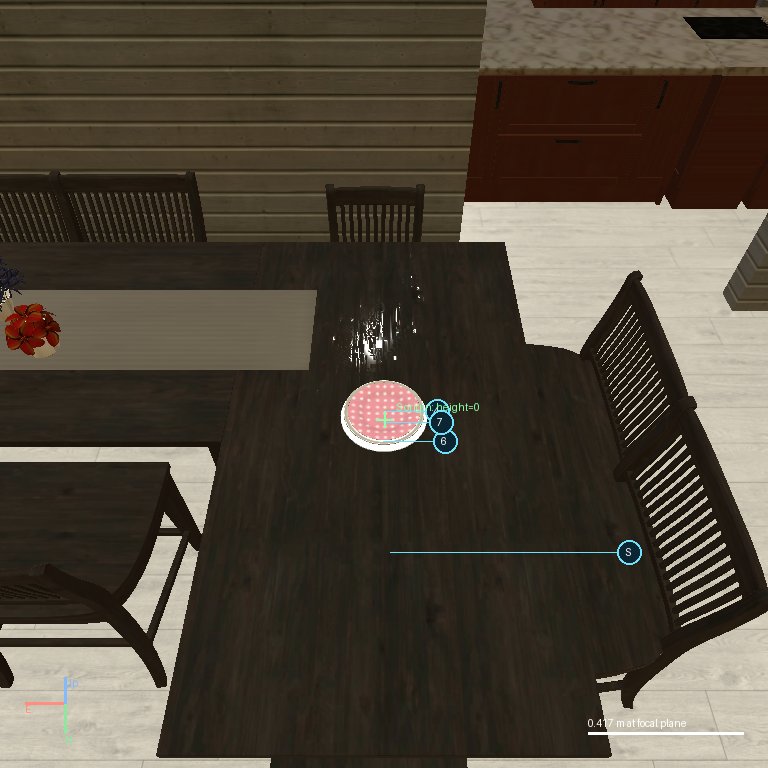
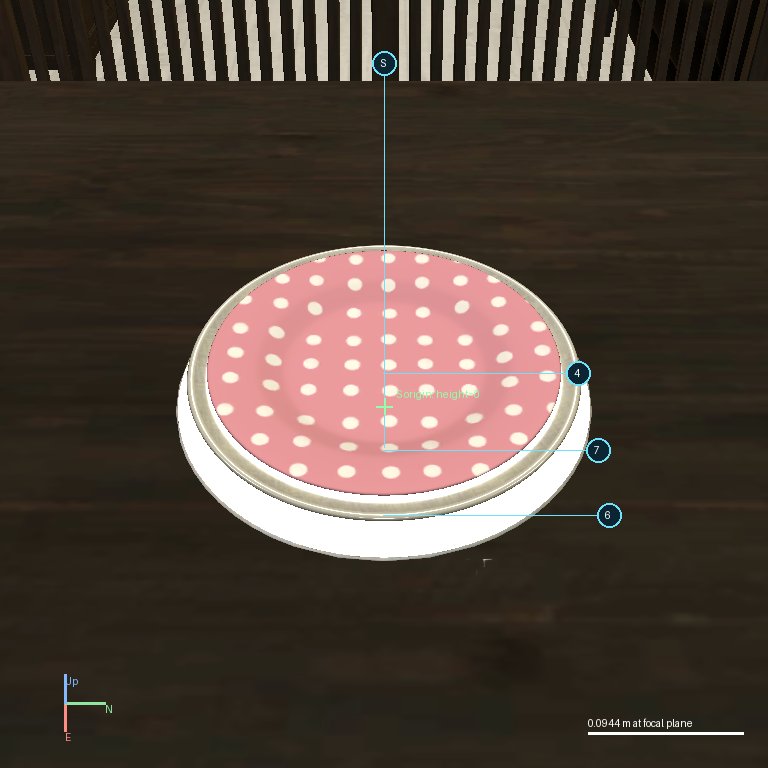
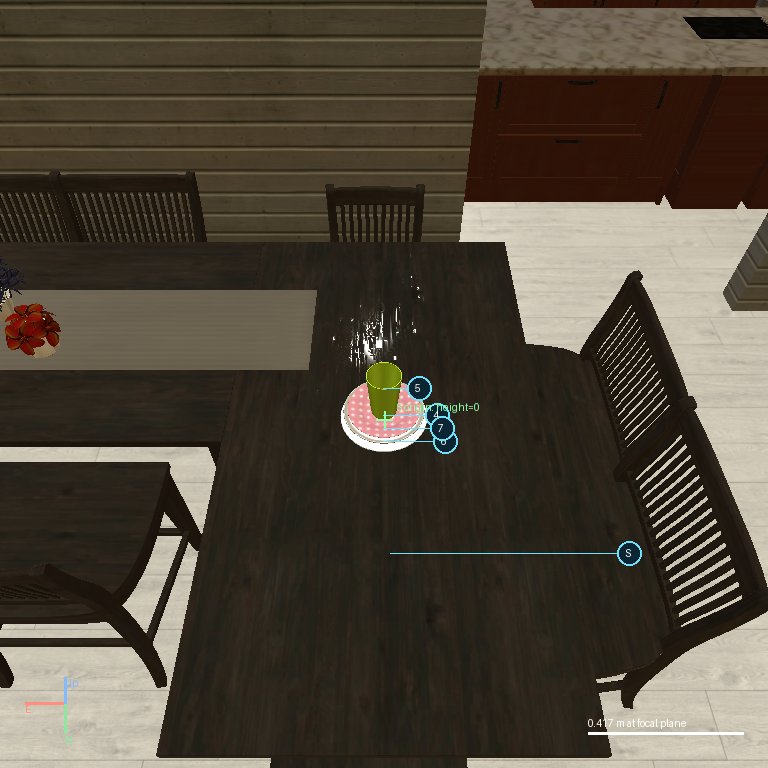
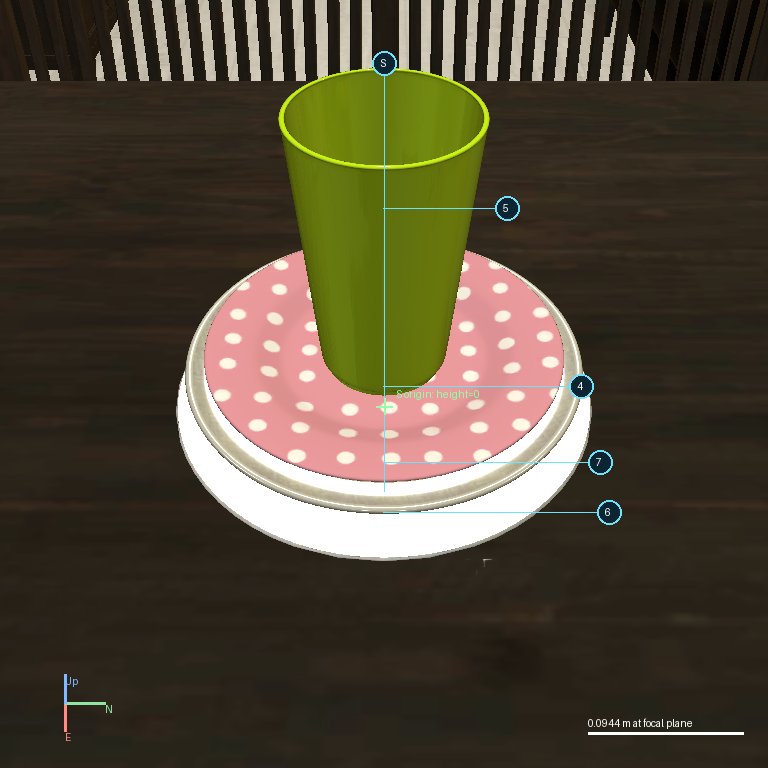
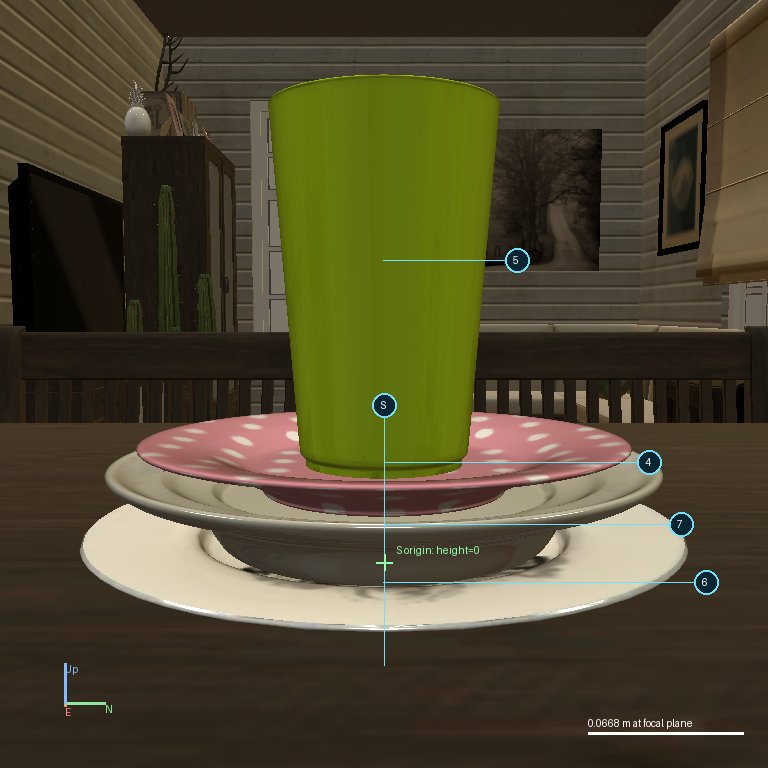
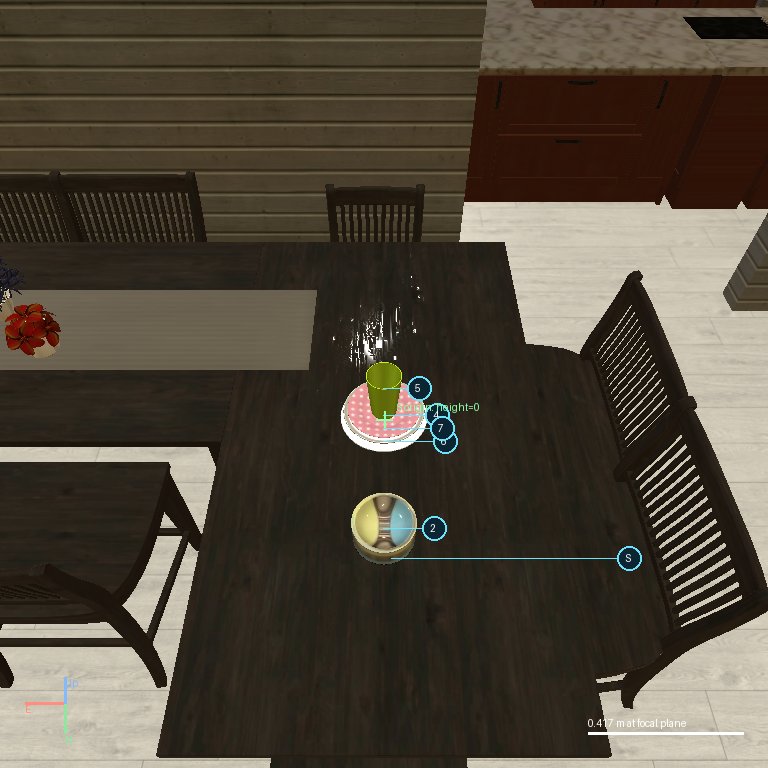
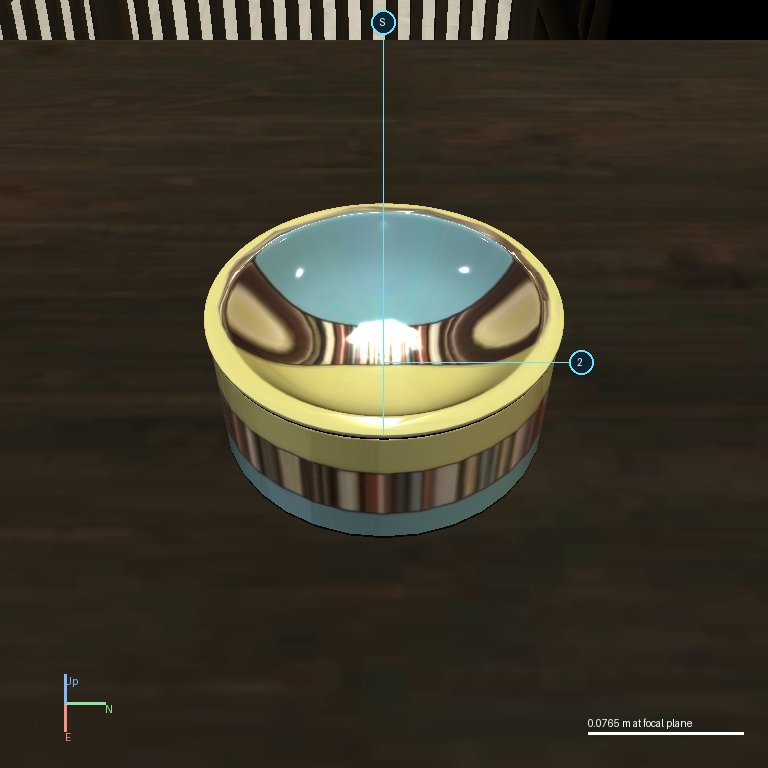
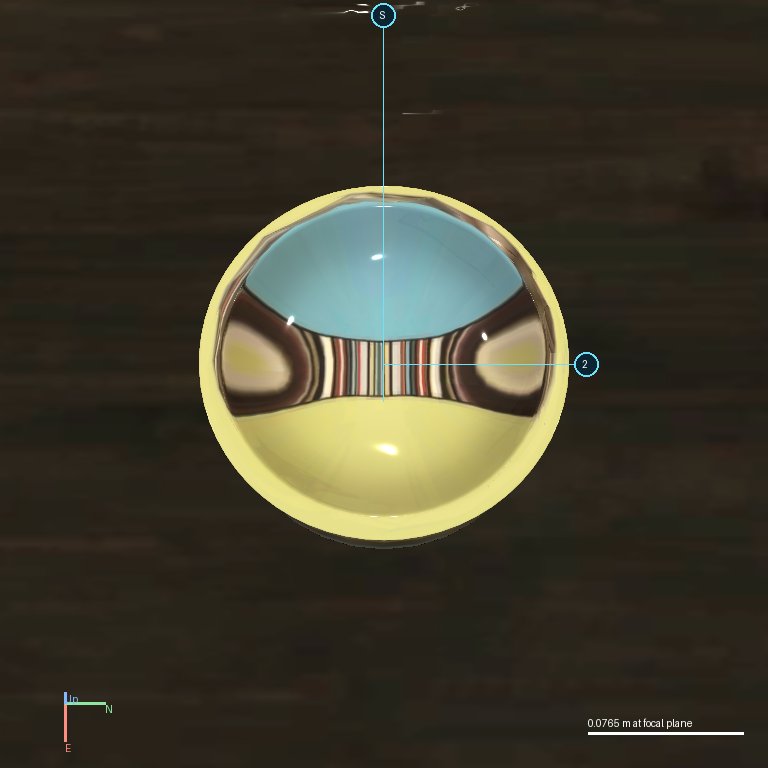
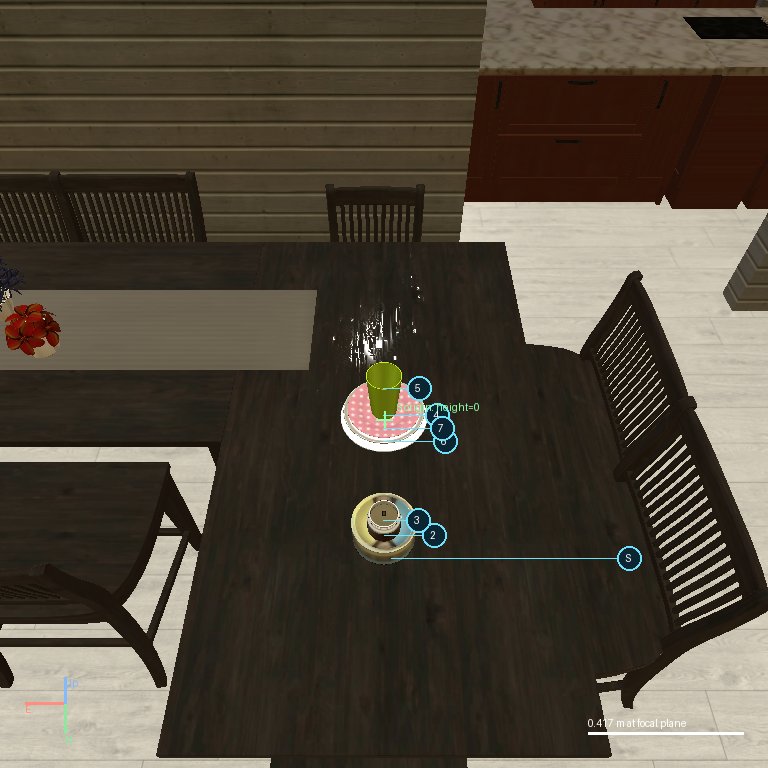
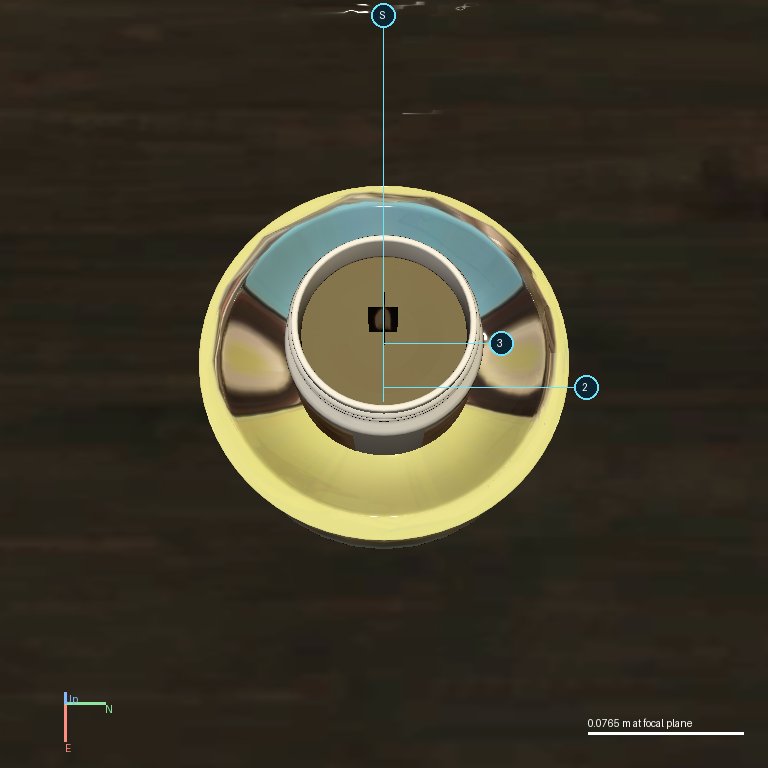
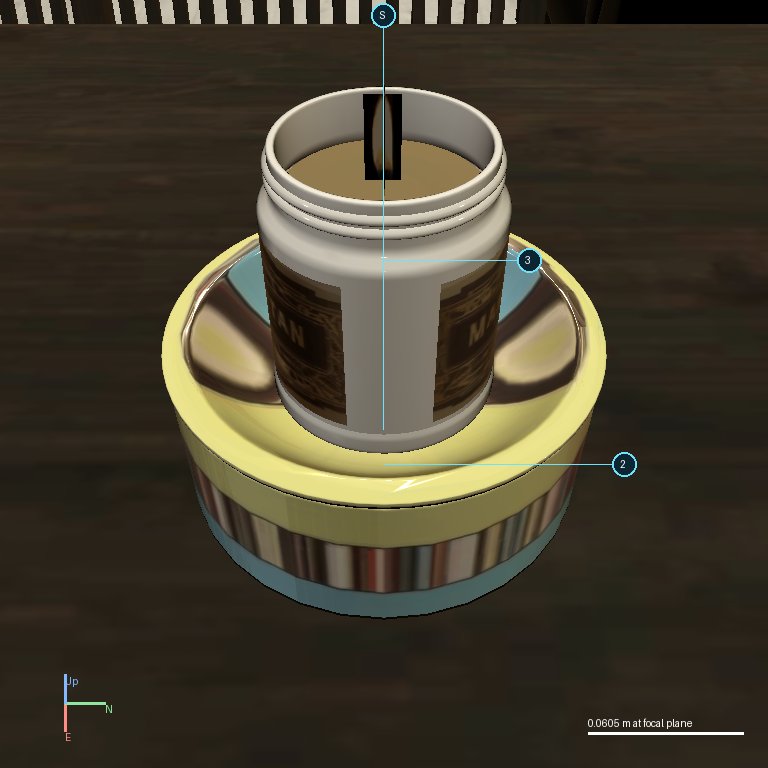
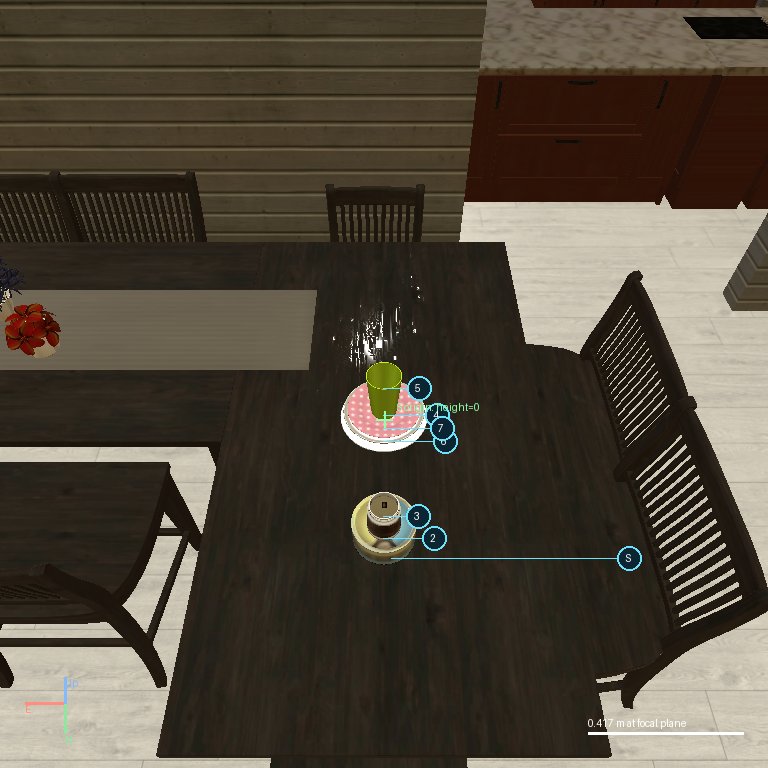
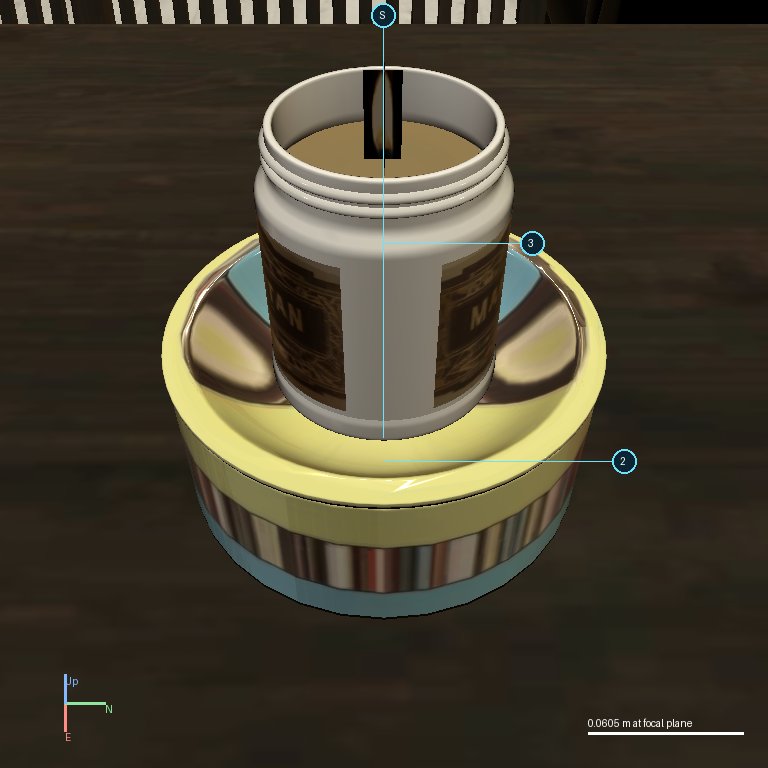
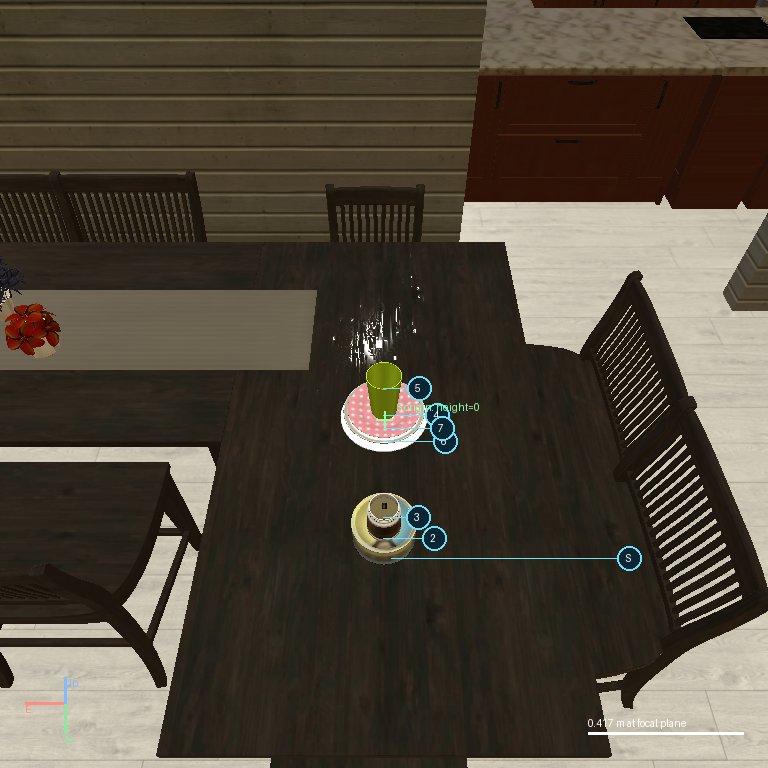
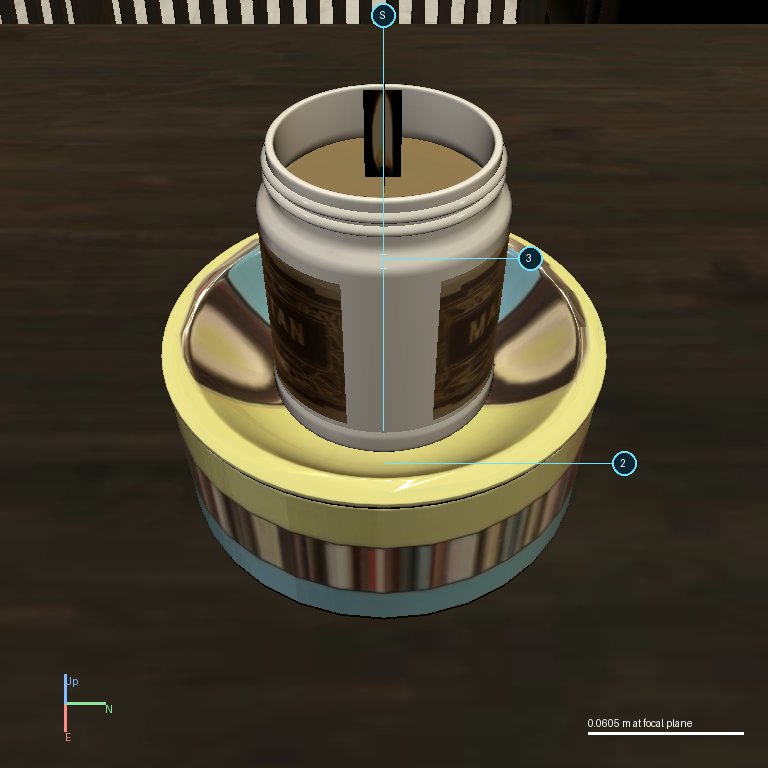
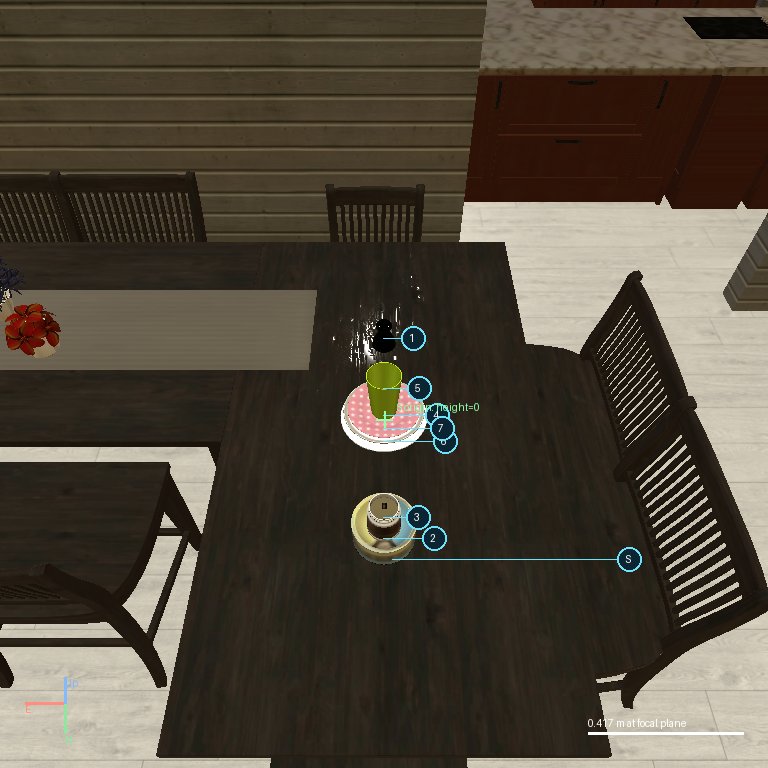
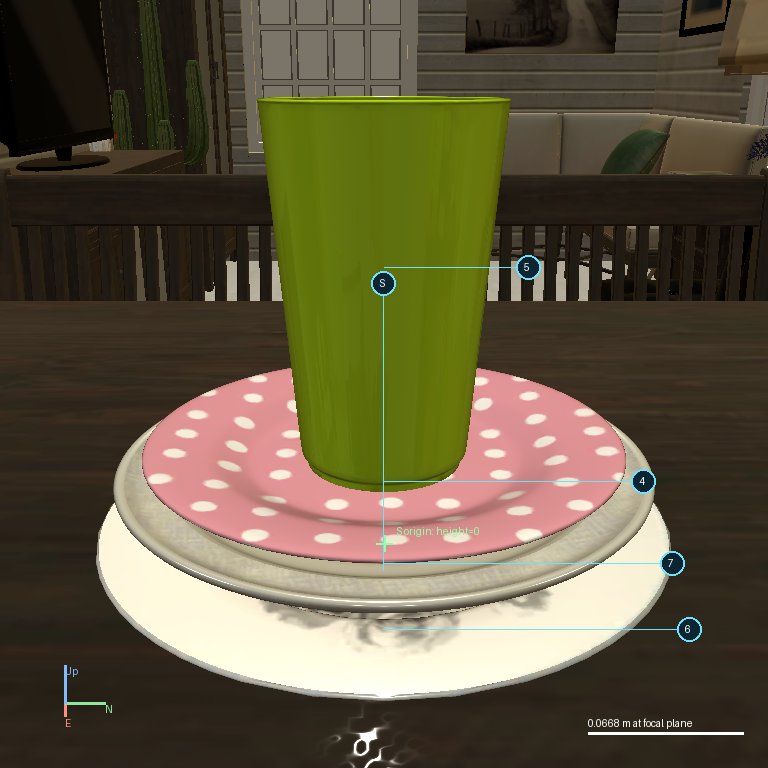
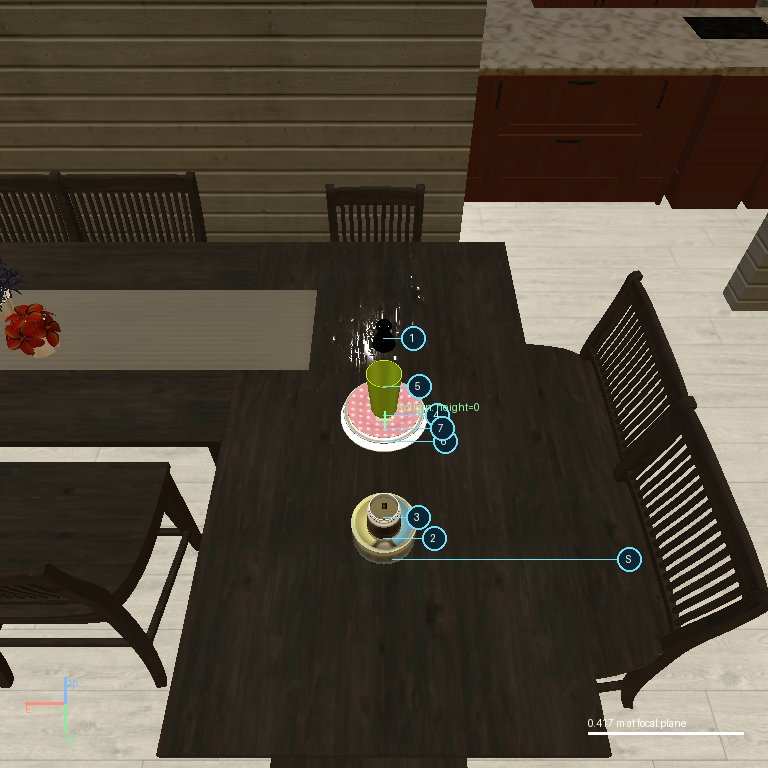
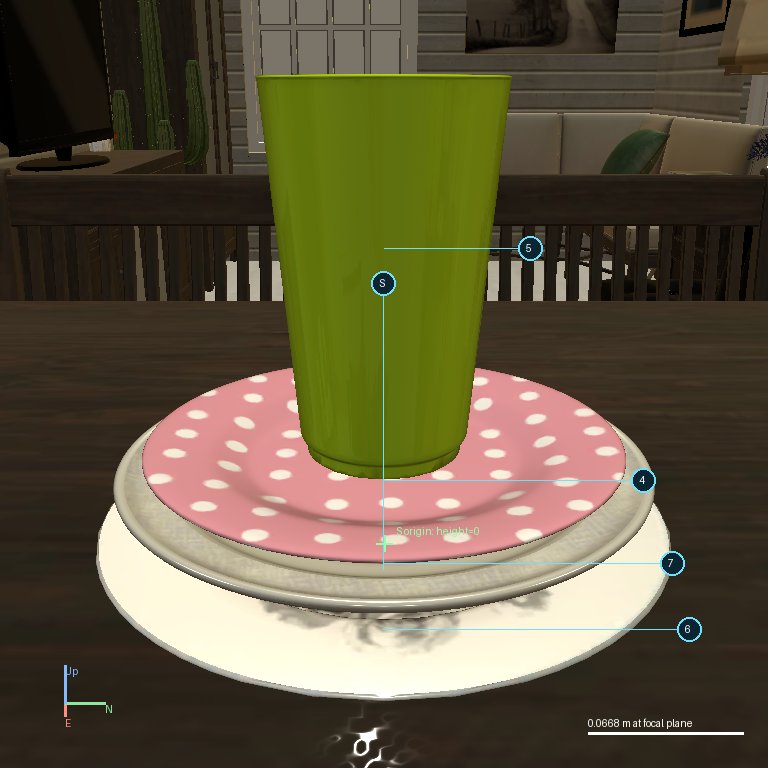
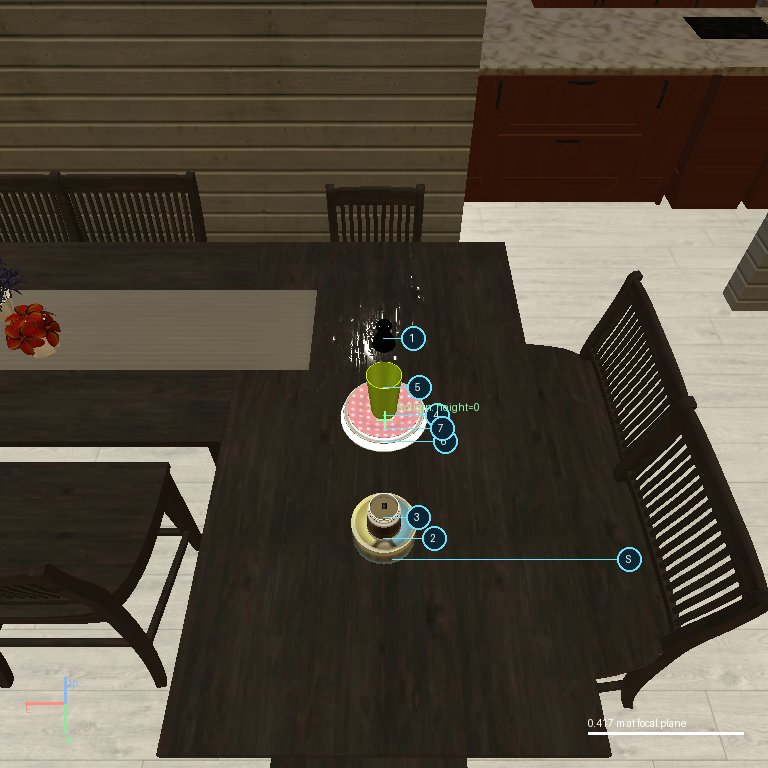
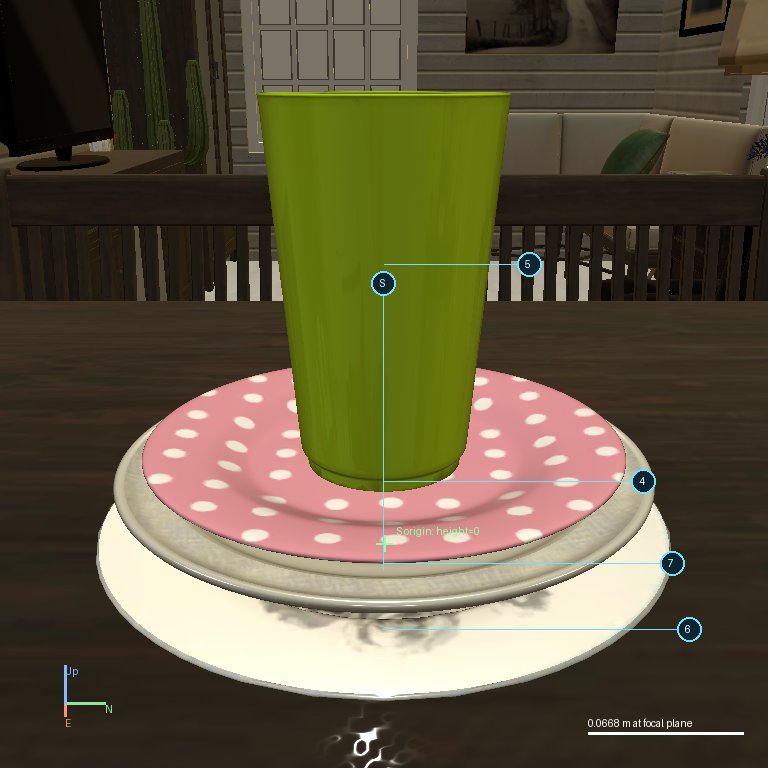
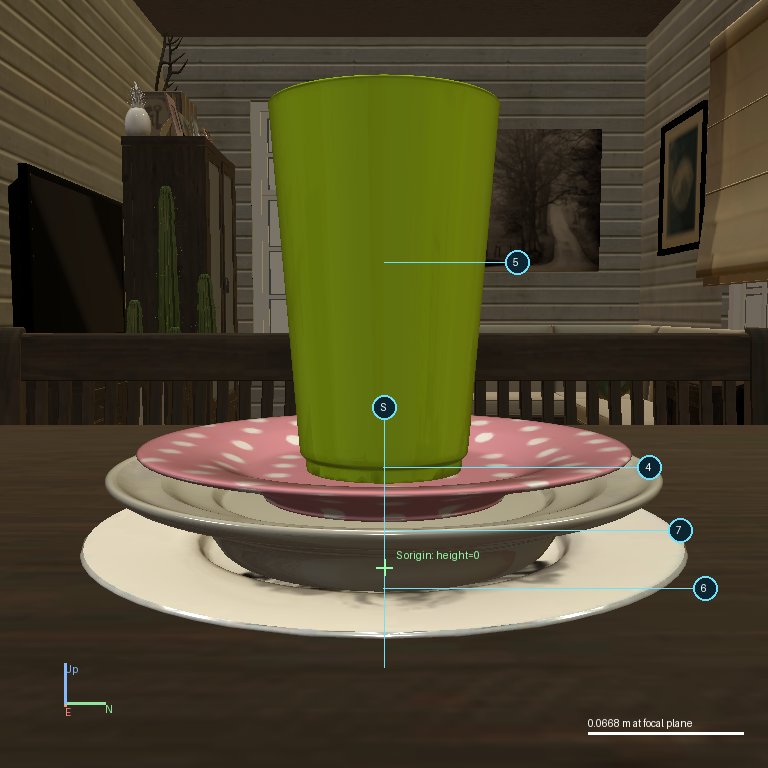
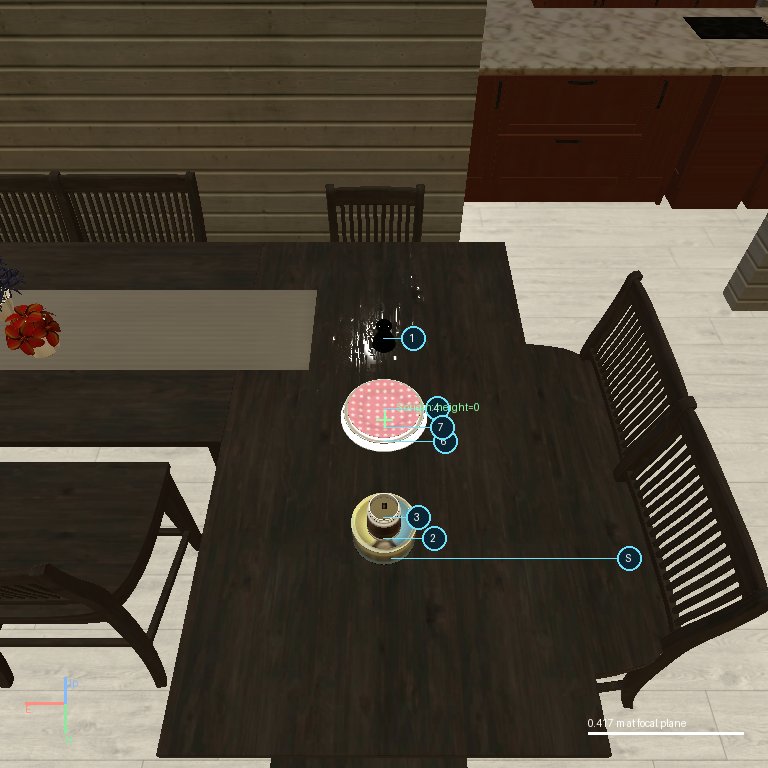
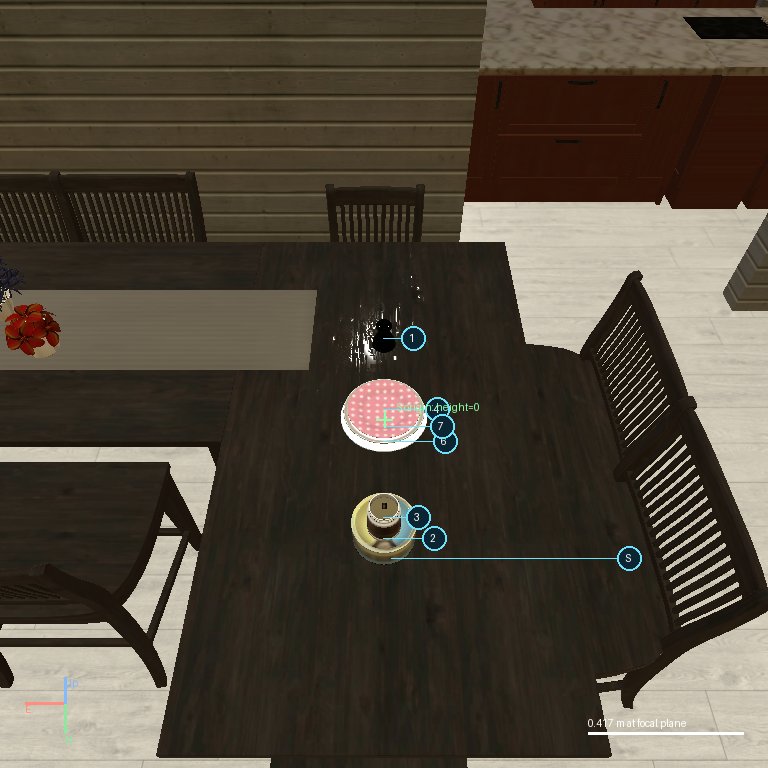
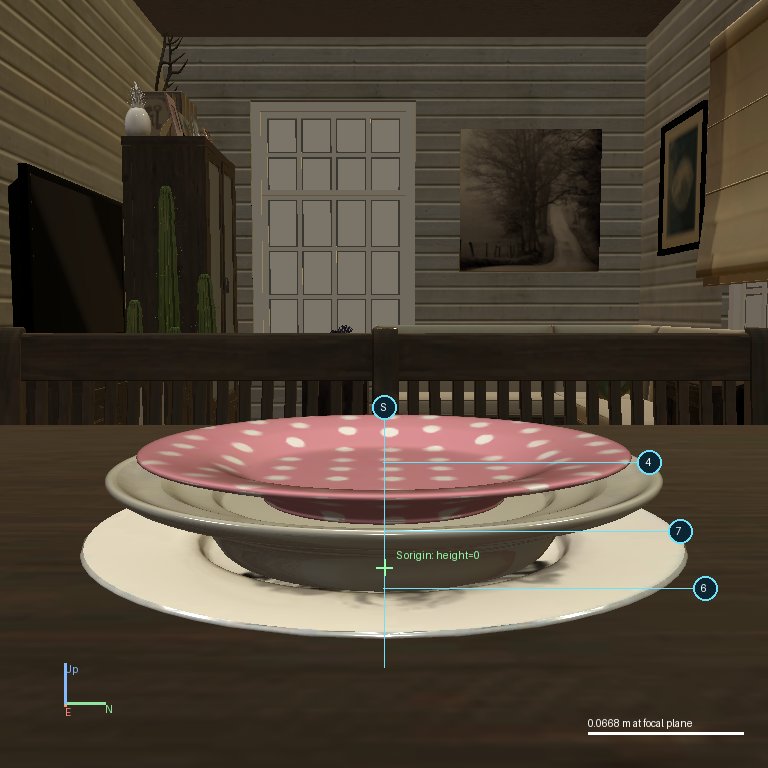
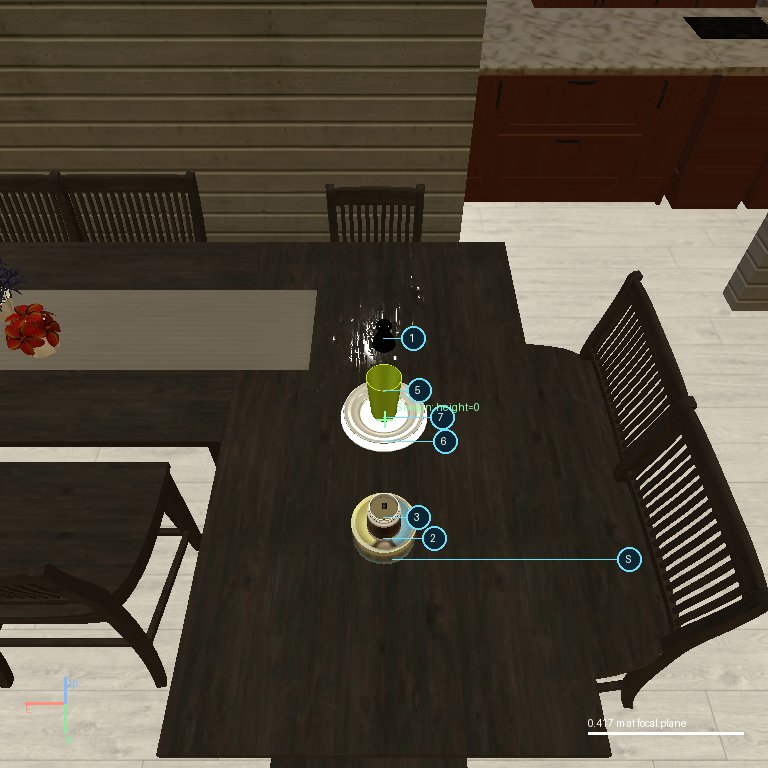
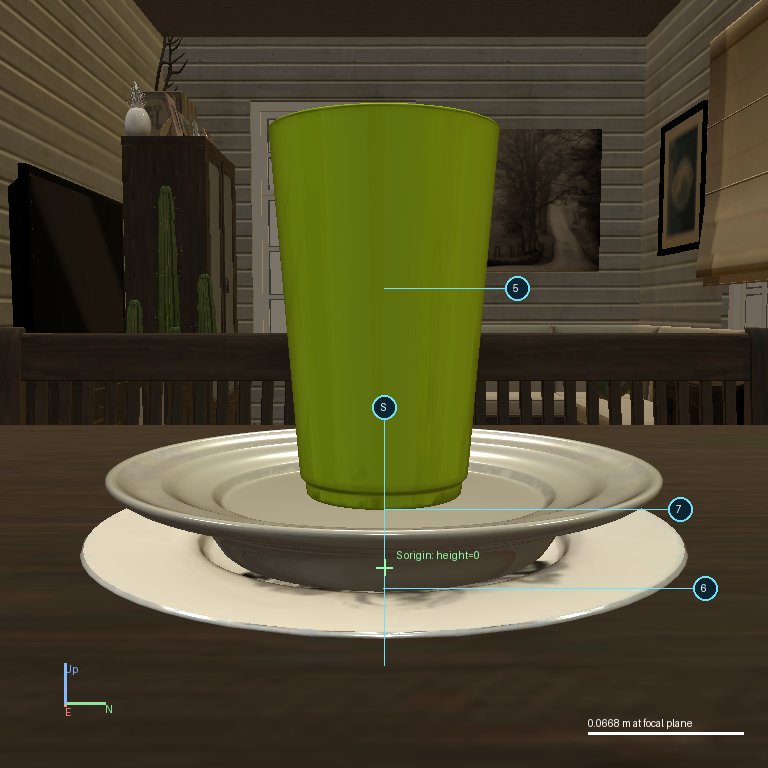
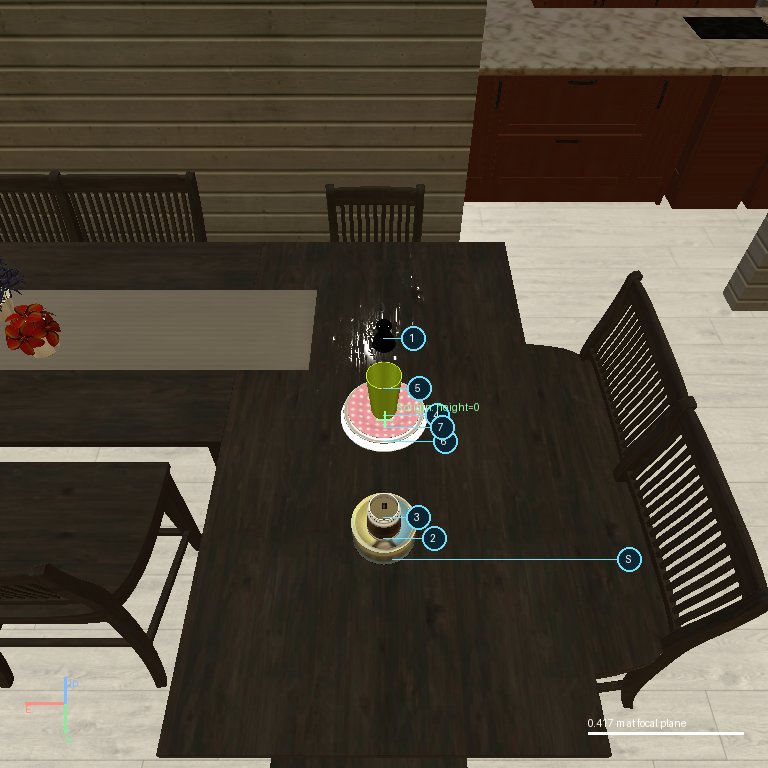
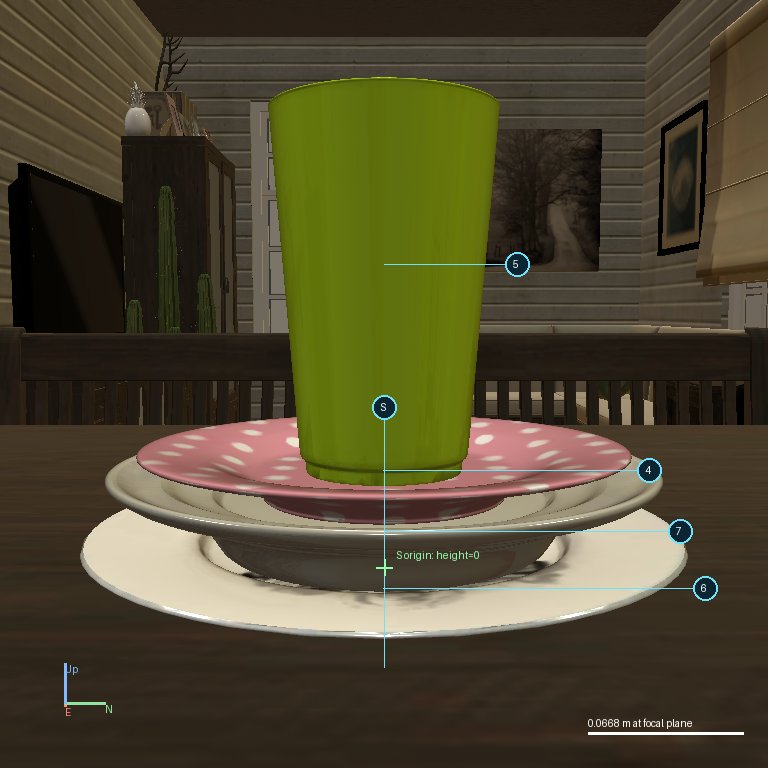
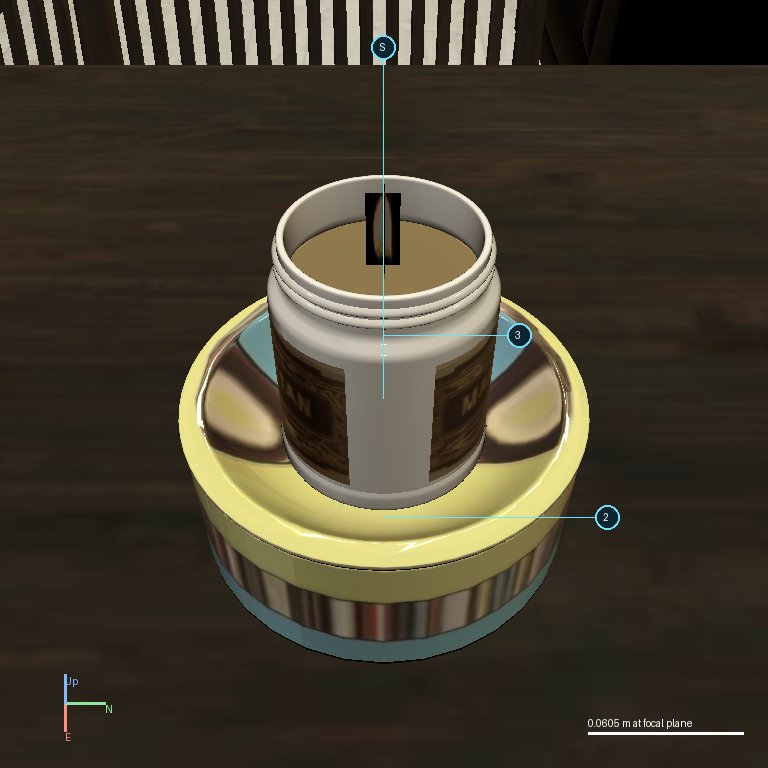
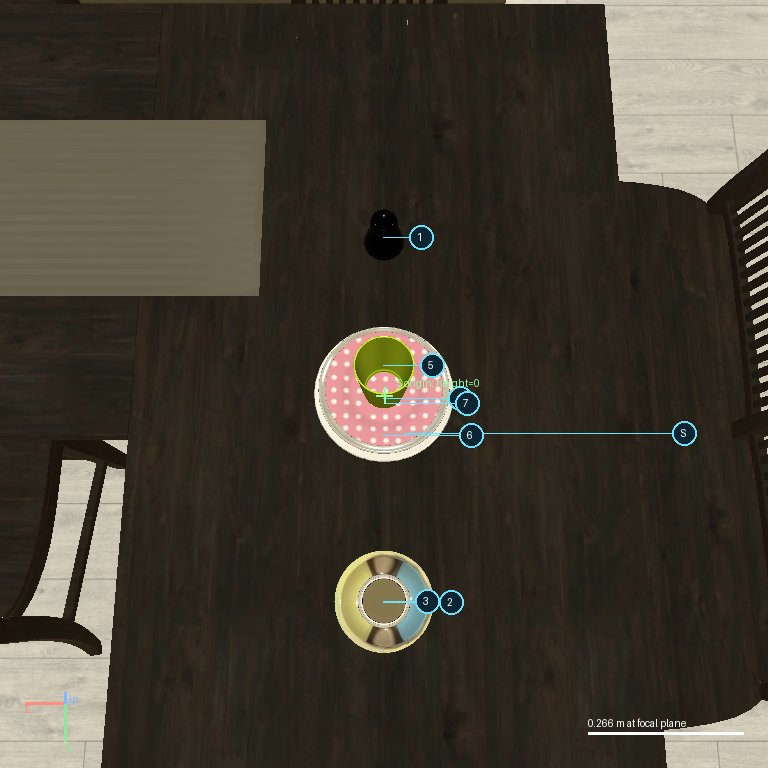
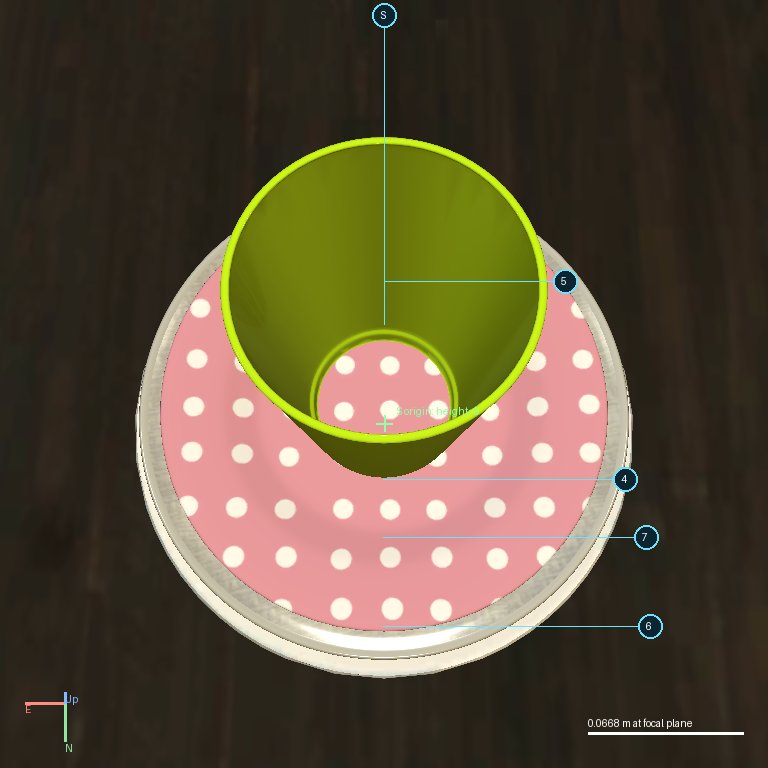
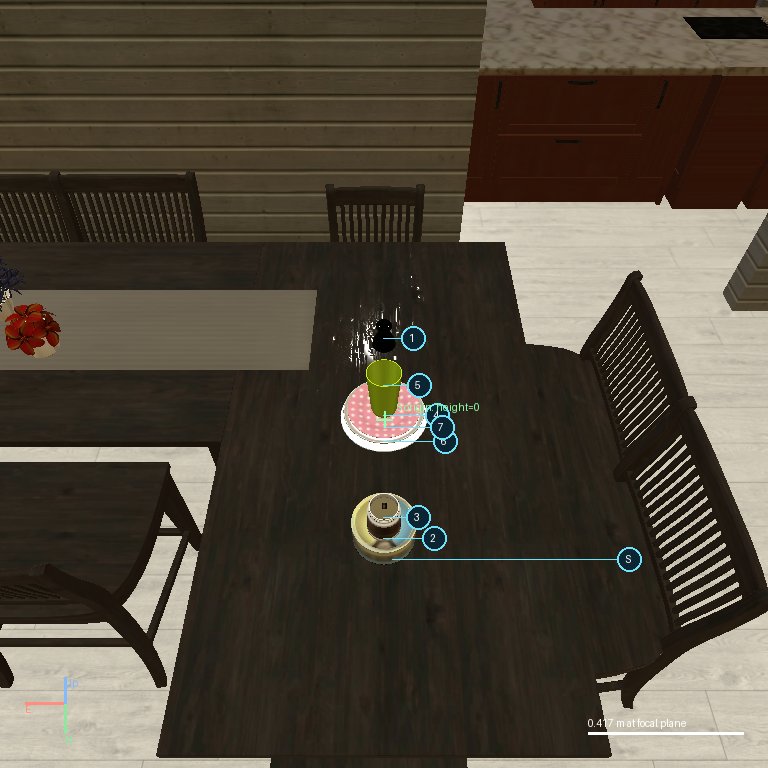
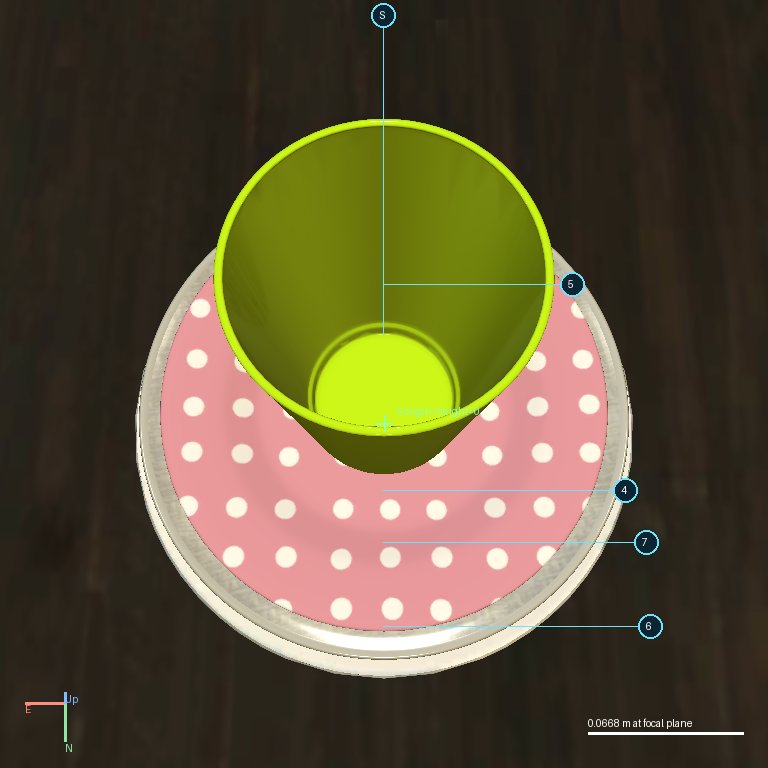
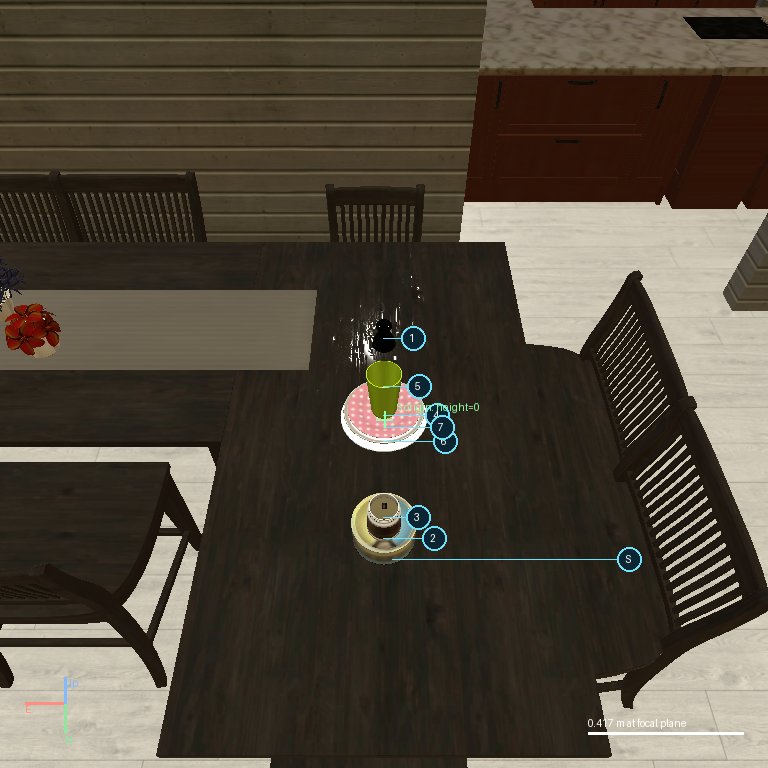
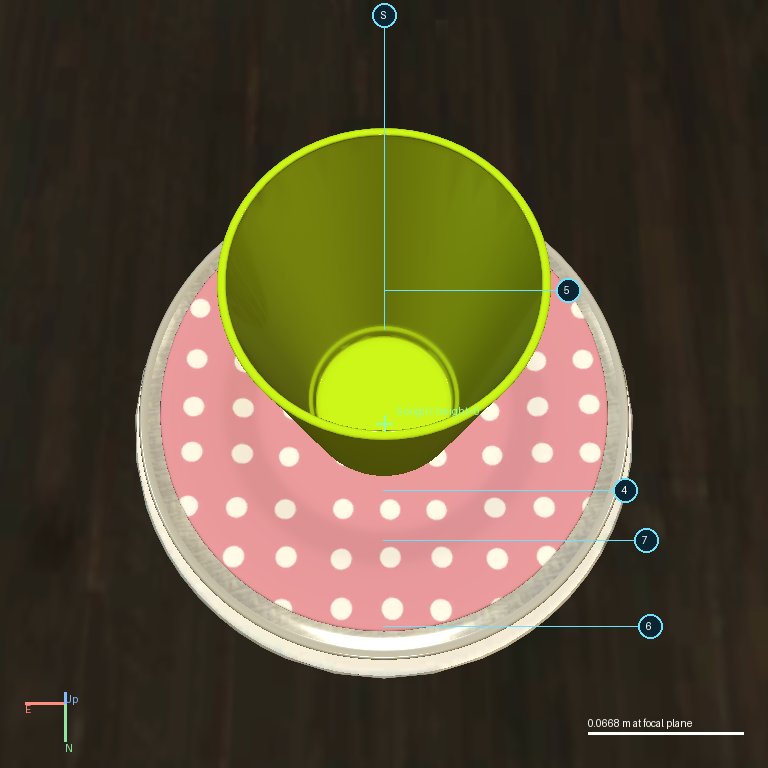
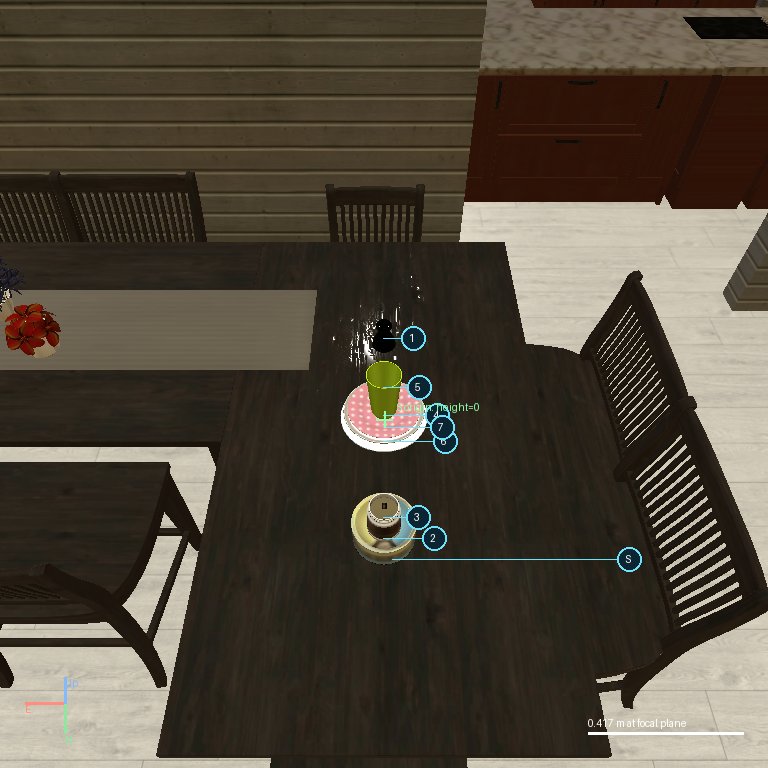
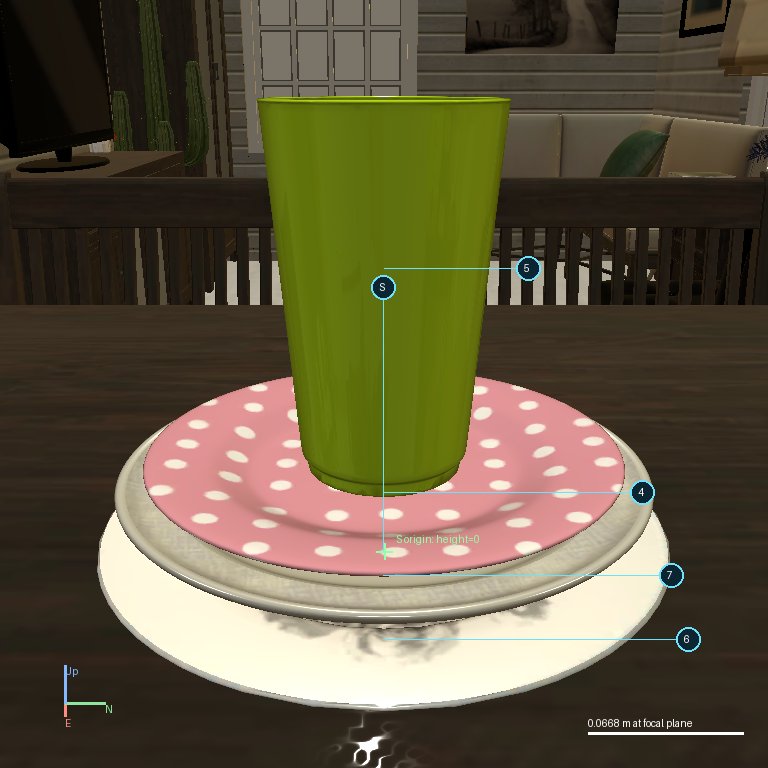
Plate service: three plates stacked with a cup on top, and a candle in a bowl
Passed in 52 tool calls: 15 looks (7 close and low), 18 placements, 13 height corrections of 10 mm or less, 5 removals to inspect.
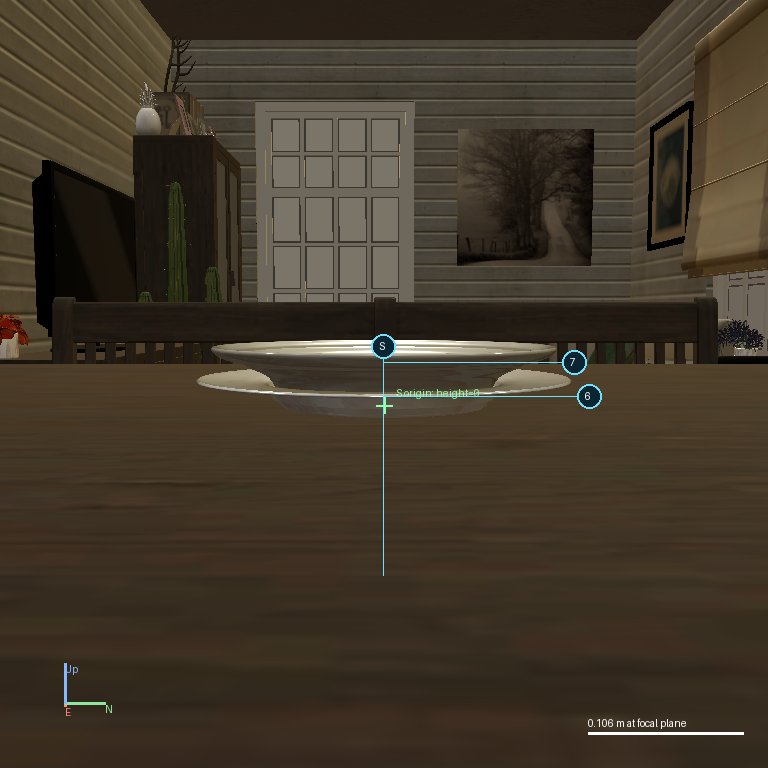
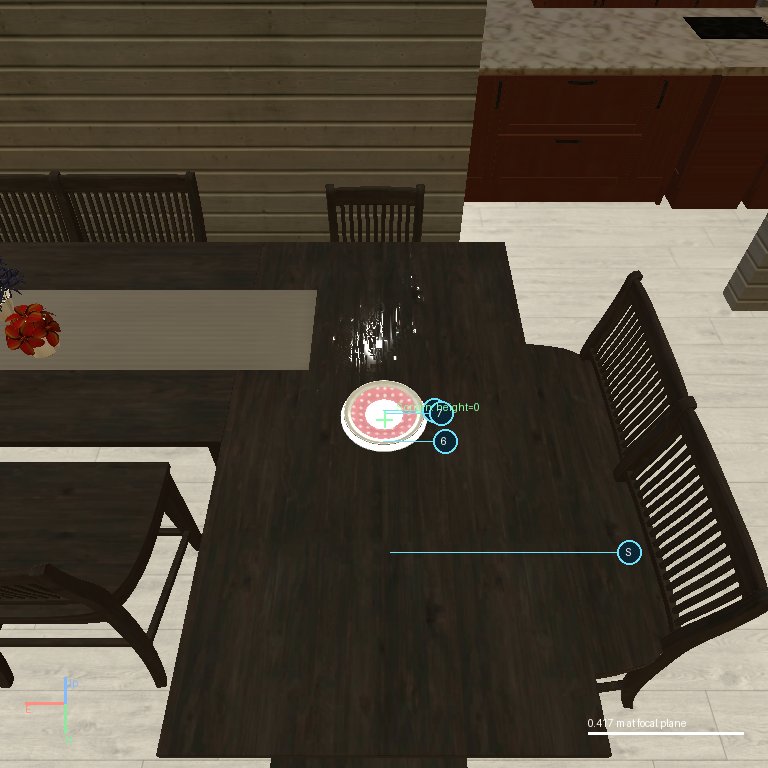
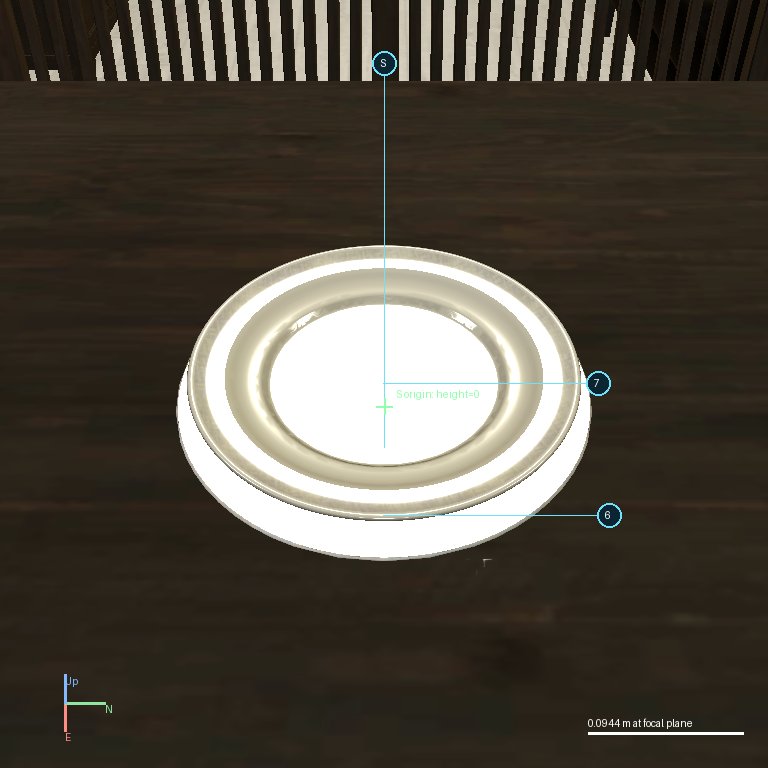
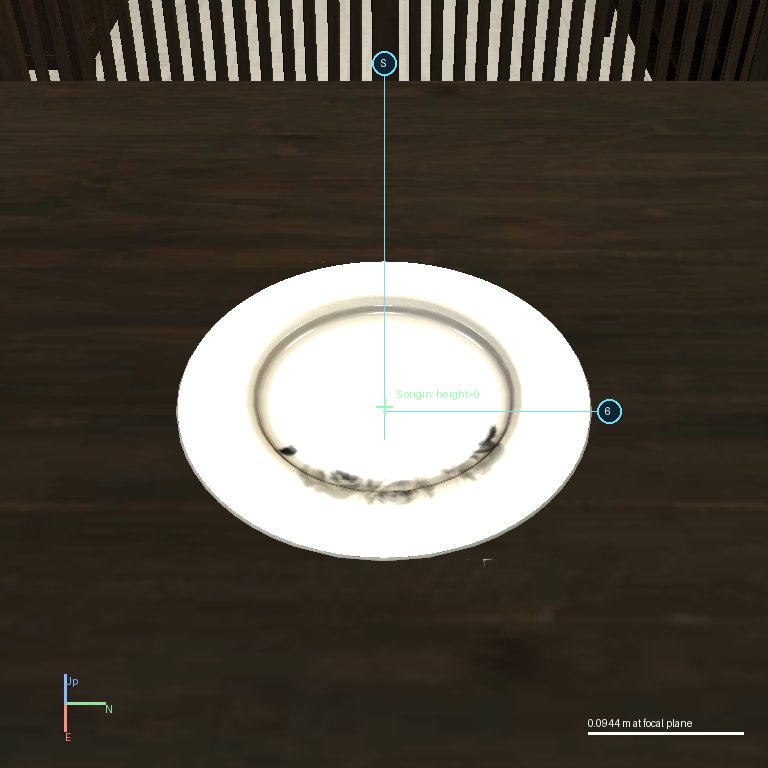
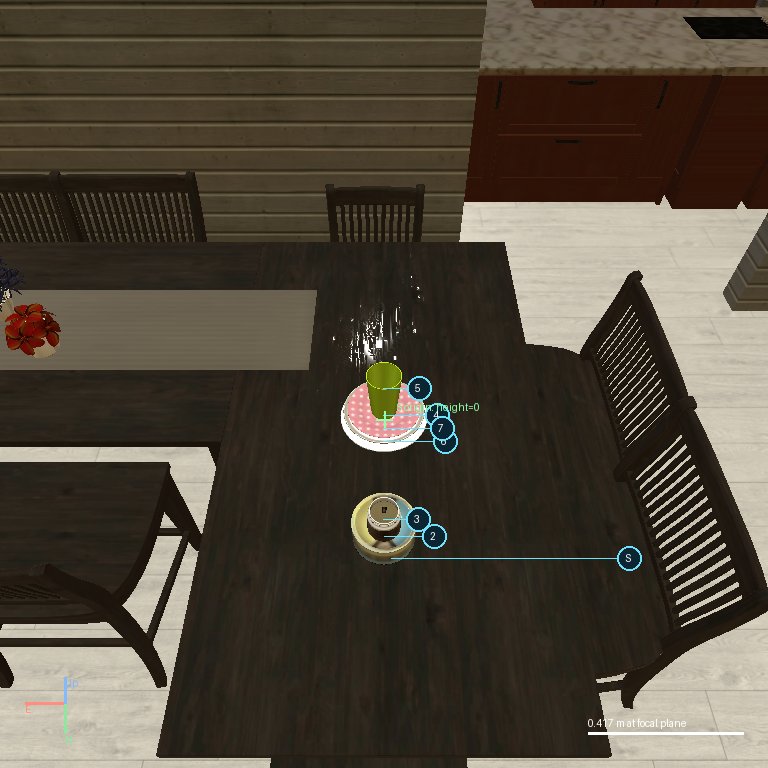
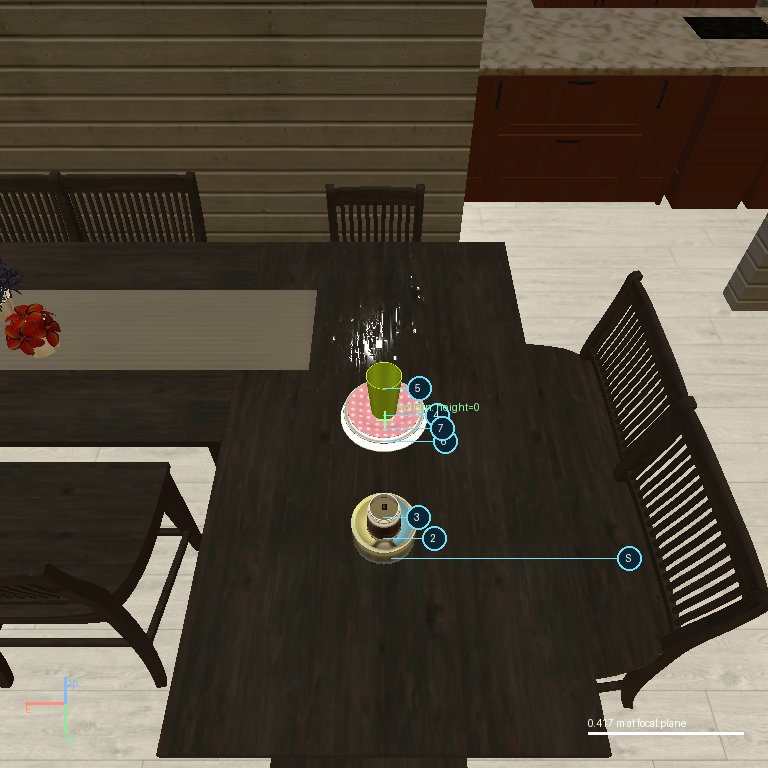
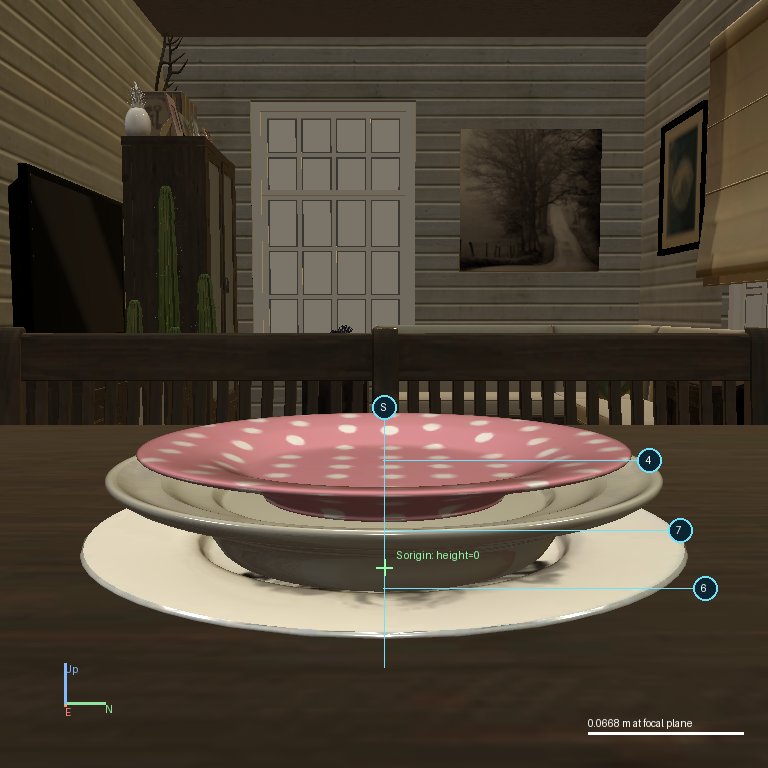
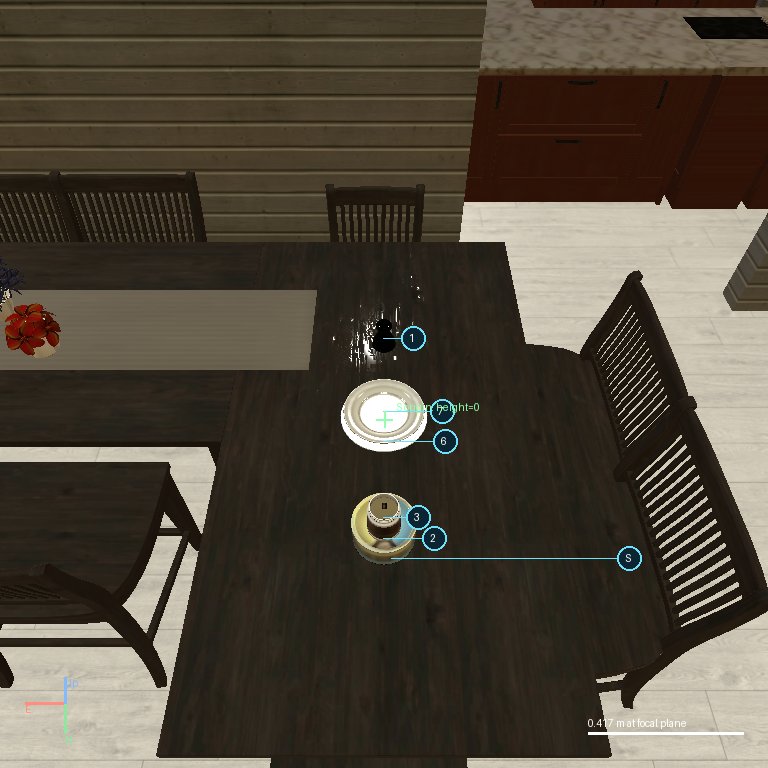
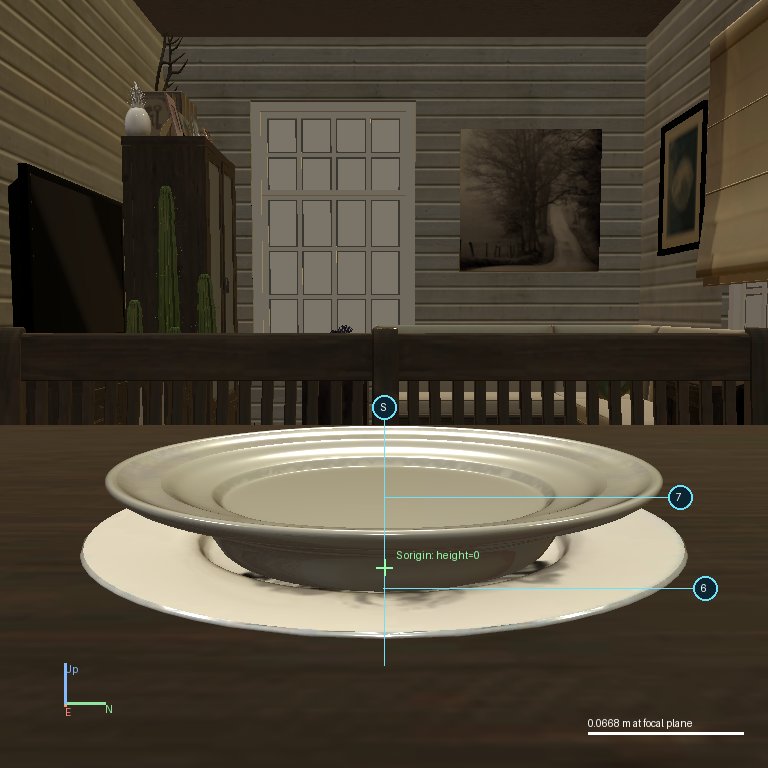
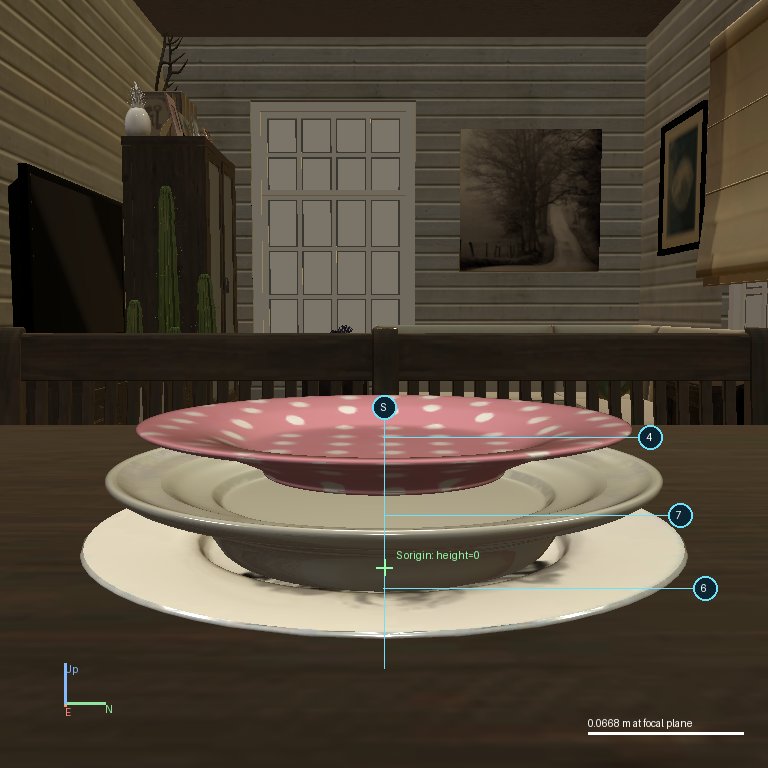
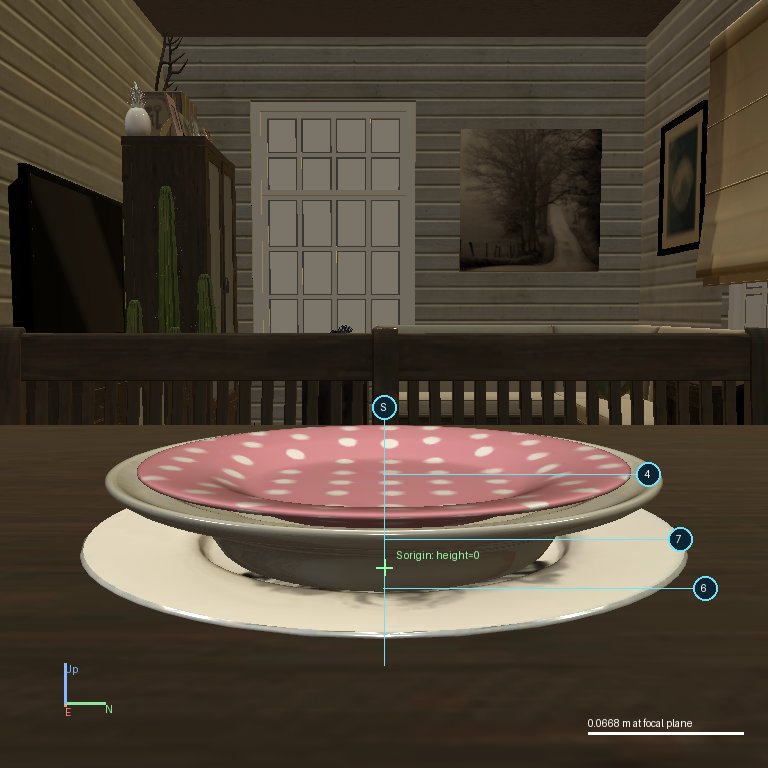
Three plates stacked directly on each other with a drinking vessel on top, plus a candle inside a bowl and spacing rules between the groups. GPT-6 builds the stack bottom up, looking level and close at each rim. When a lower plate sits at the wrong height, it takes off the layers above it (steps 11-12, 31-32 and 40), re-seats the lower plate a few millimetres up or down, and rebuilds the stack. Every edit returns two fresh images, so many corrections follow straight from the picture an edit returned, without a separate look.
the instruction GPT-6 was given
Arrange all 7 distinct catalog objects on the empty table labelled S. Objects may rest on other placed objects. All objects, including elevated ones, must project fully within S, have actual support, and avoid mesh intersections. Directions refer to the world E/N/Up compass, not an object’s own front or back.

Place 6: plate (asset_6) directly on S.

Stack 7: plate (asset_7) directly on 6: plate (asset_6), with at least 80% of its projected footprint over that object.

Stack 4: plate (asset_4) directly on 7: plate (asset_7), with at least 80% of its projected footprint over that object.

Stack 5: drinking vessel (asset_5) directly on 4: plate (asset_4), with at least 80% of its projected footprint over that object.

Place 2: open bowl (asset_2) directly on S.

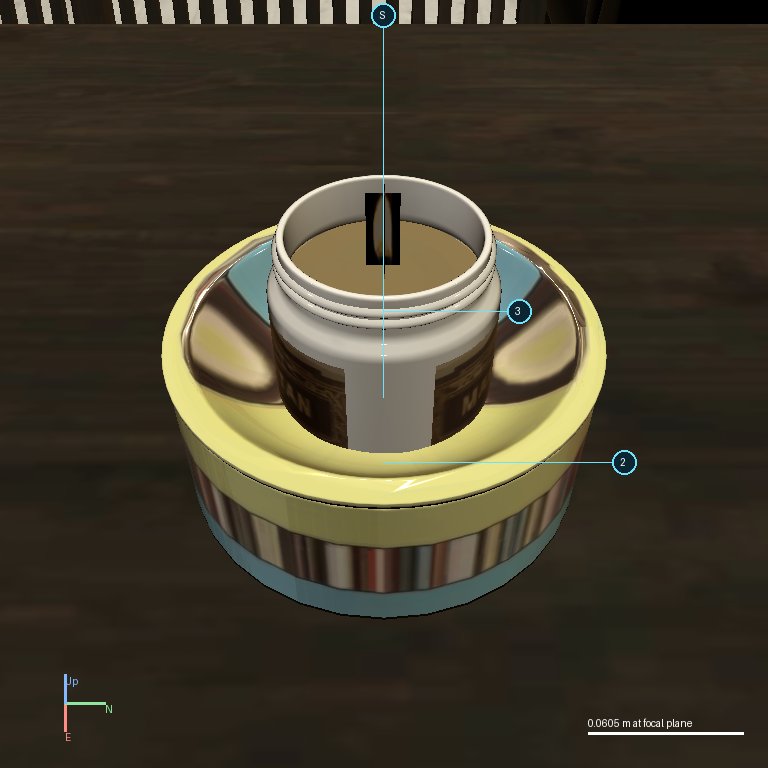
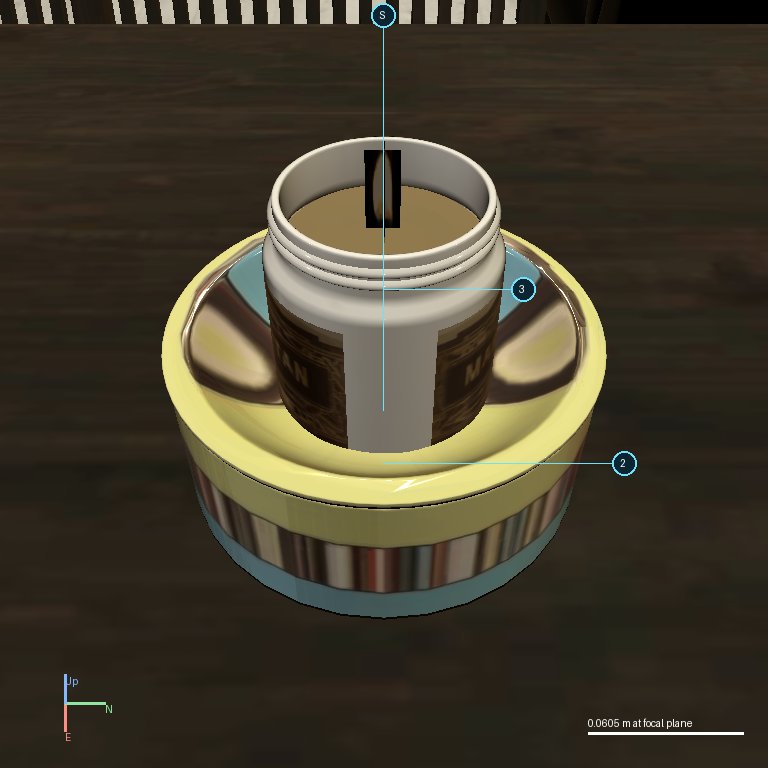
Put 3: candle (asset_3) inside 2: open bowl (asset_2), resting on its interior floor; its top may protrude above the rim.

Place 1: spice mill (asset_1) directly on S.

The footprint of 6: plate (asset_6) must be world south of 2: open bowl (asset_2), with a shortest horizontal edge-to-edge gap of 4–25 cm and at least 5 cm of footprint-centroid displacement in that direction.

The footprint of 1: spice mill (asset_1) must be world south of 6: plate (asset_6), with a shortest horizontal edge-to-edge gap of 4–25 cm and at least 5 cm of footprint-centroid displacement in that direction.

Leave the entire world-east 6 cm edge strip of S empty, including projections of stacked objects. Inside means the entire projected footprint fits within the actual inner opening and the base rests below the rim; tops may protrude. Keep contents separate from one another and the walls. Any arrangement satisfying the rules is valid; there are no target coordinates. Choose every height explicitly; height=0 is S’s top. Use the calibrated catalog and adjustable camera views.
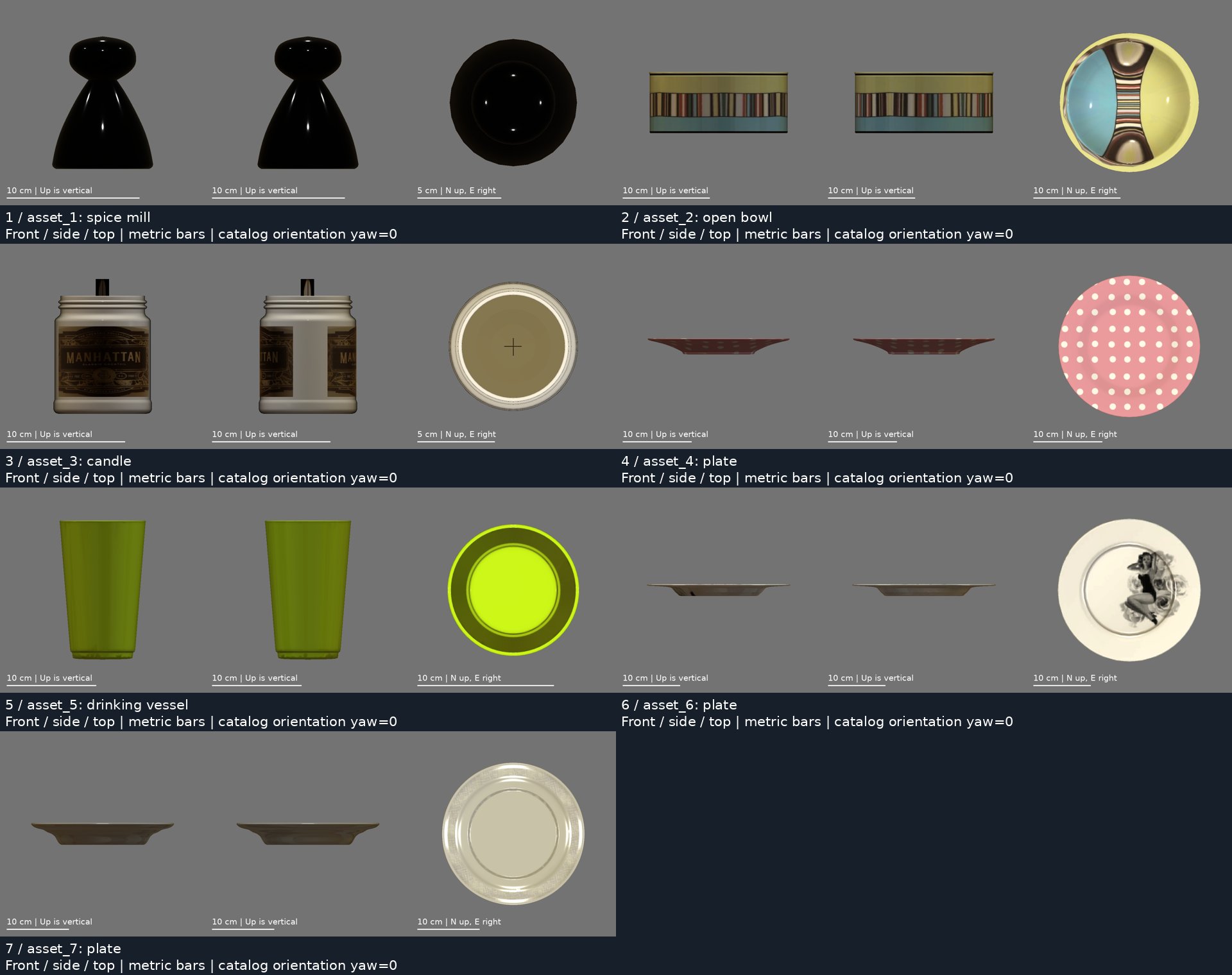
The catalog
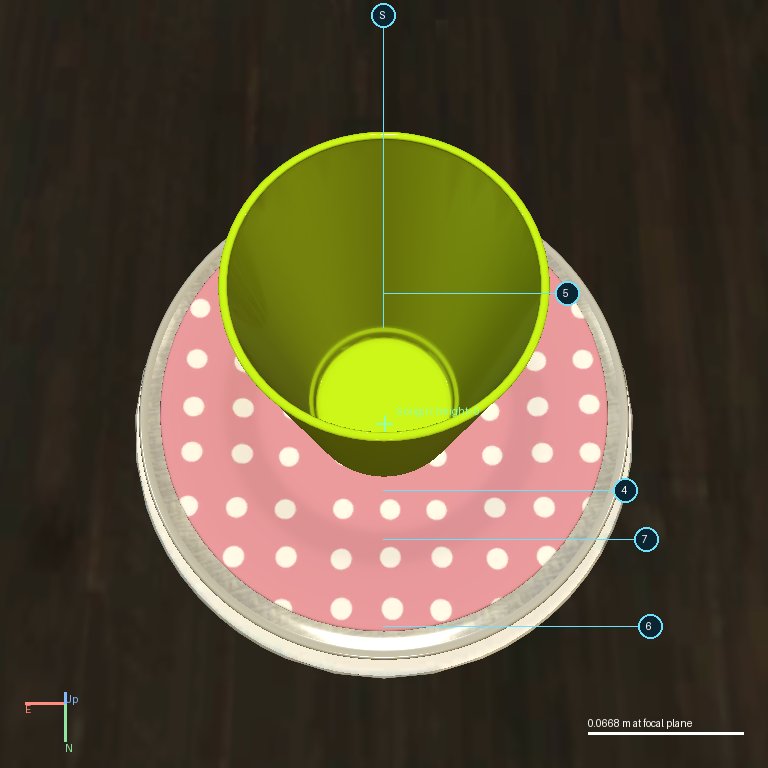
image 3, the catalog: orthographic front, side and top views of each object with metric scale bars. Sent once; it never changes.
n close, low look at a contactn other viewn placen height correction of 10 mm or lessn remove to inspectn finish
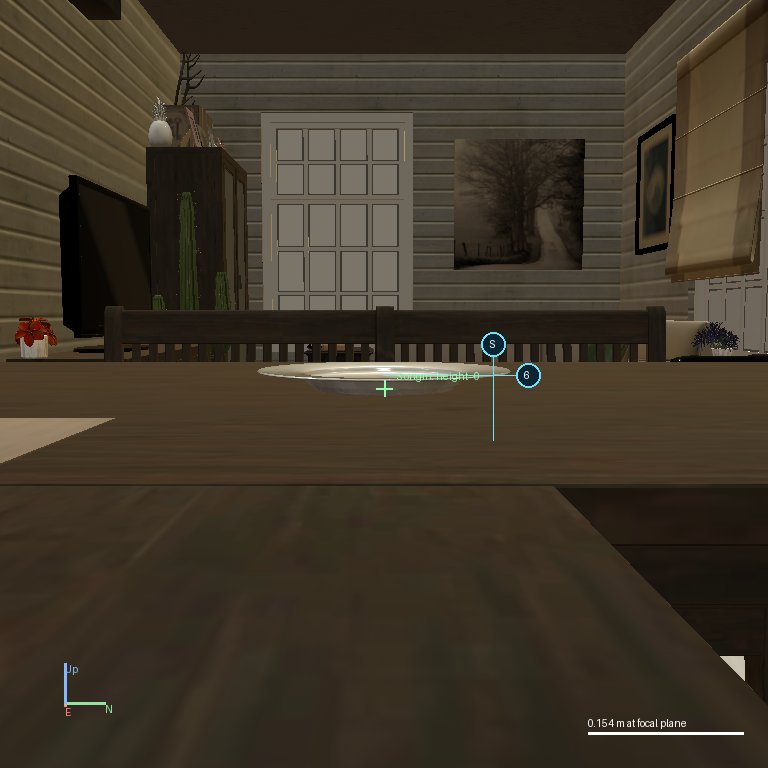
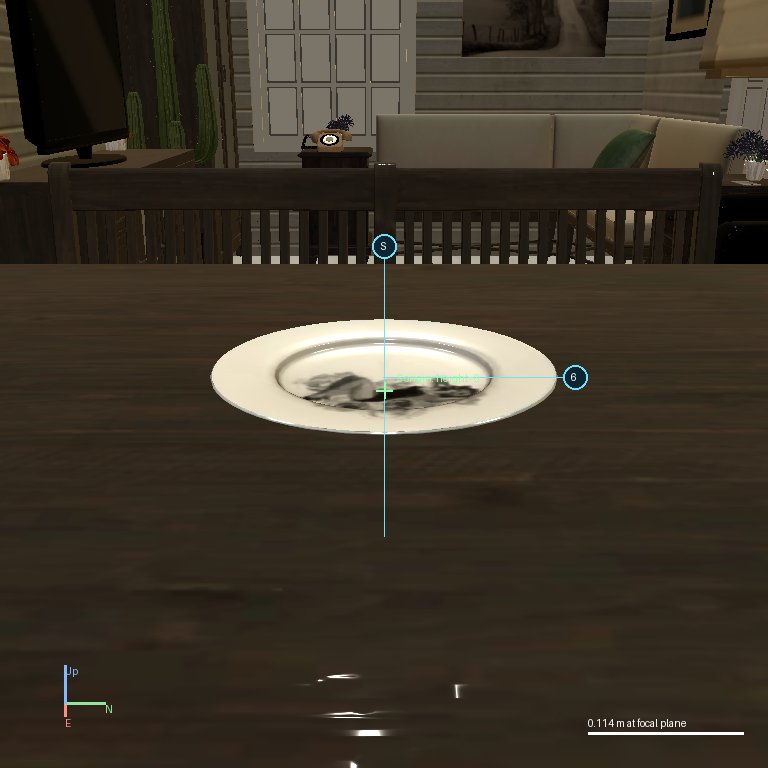
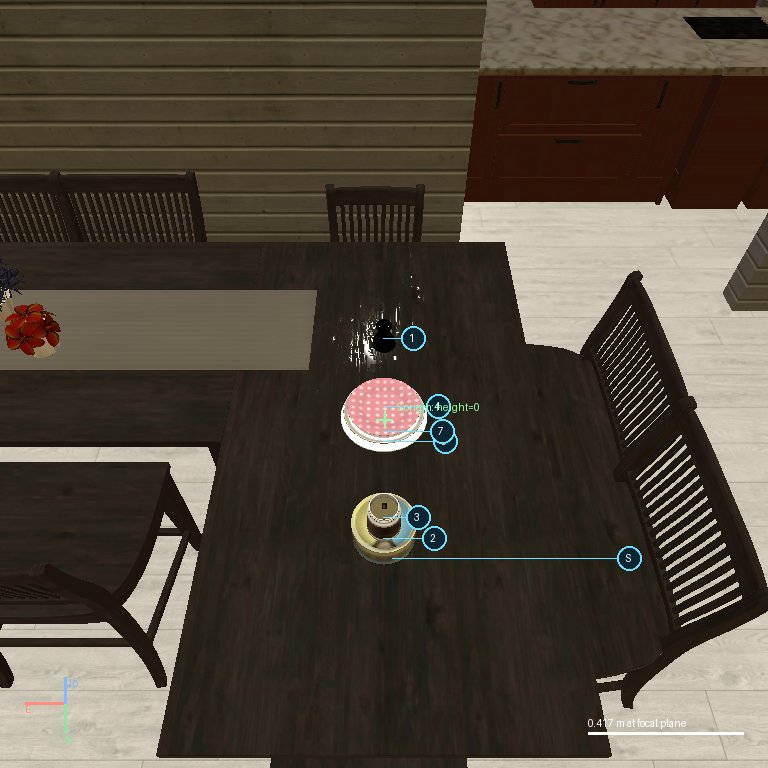
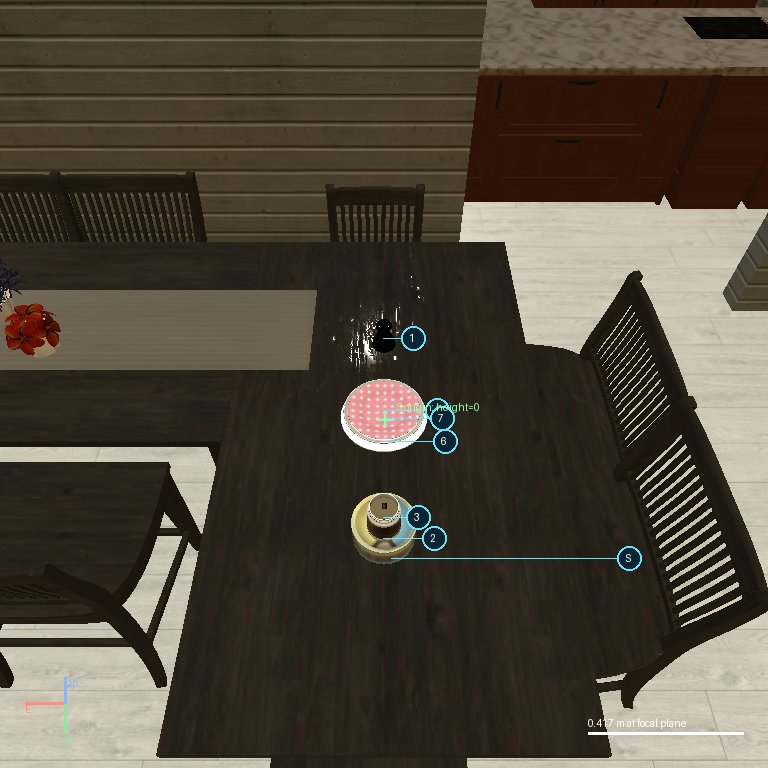
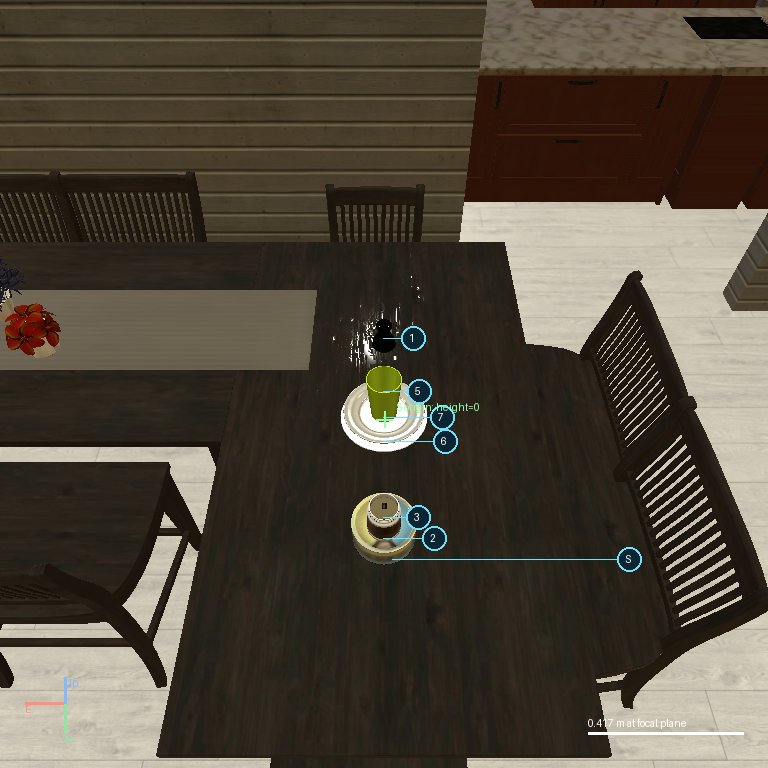
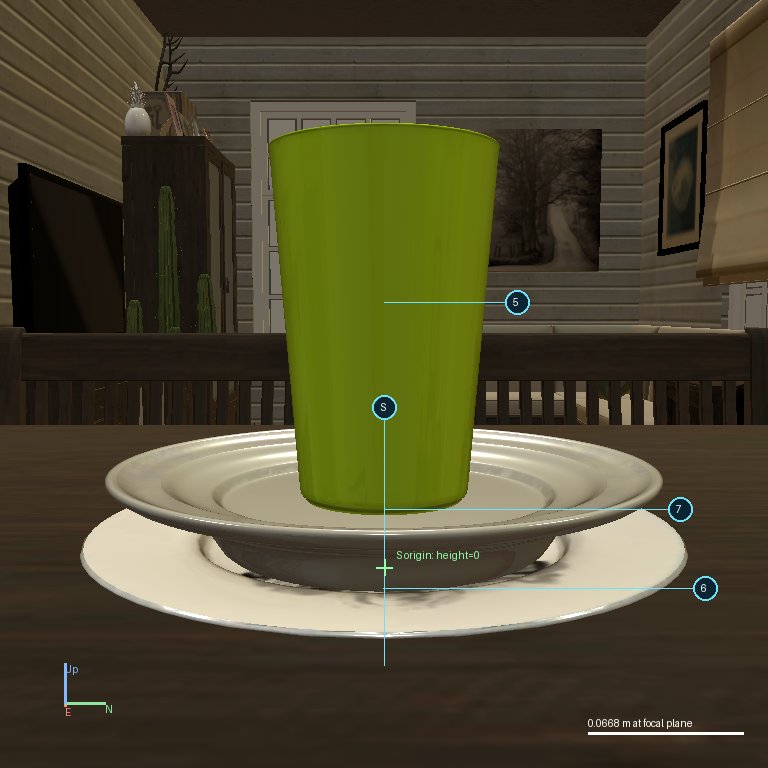
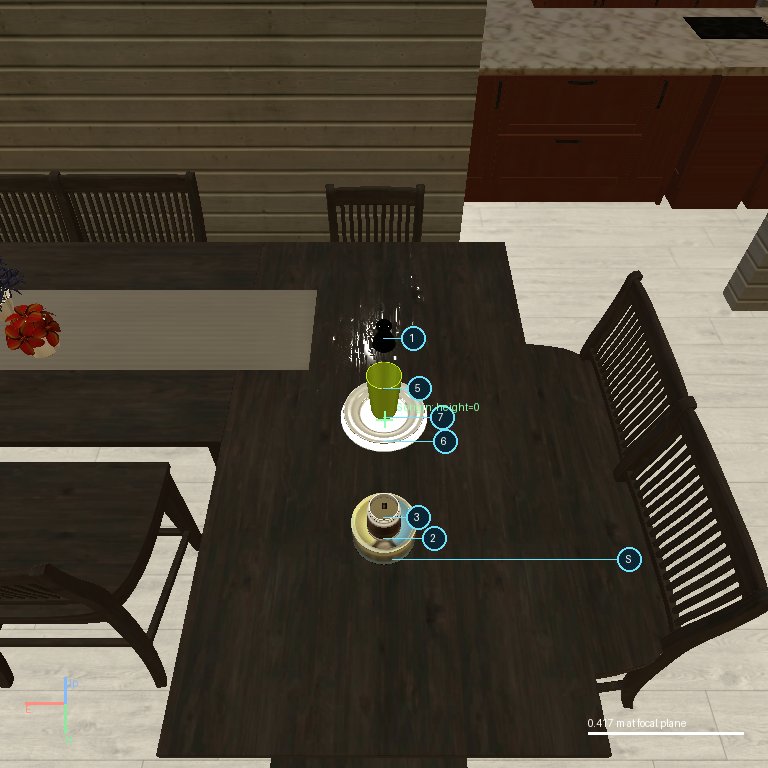
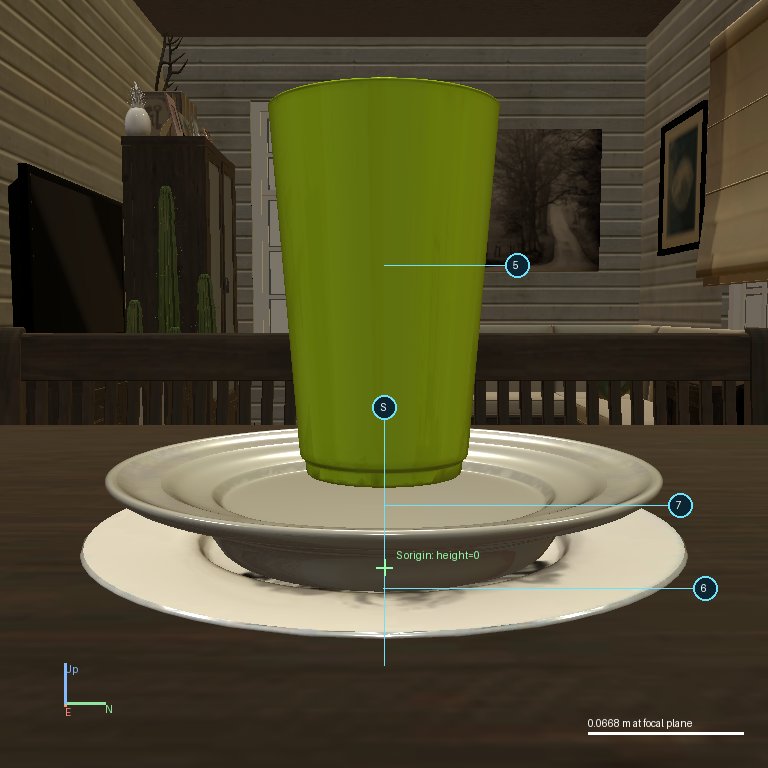
Each box is one tool call. Left: the two current images GPT-6 had just been given (image 1, a fixed overview; image 2, the view it chose last). Right: what the call did and what came back. GPT-6 returns no readable reasoning in these runs, so the notes describe the actions. Images are the JPEGs exactly as sent. Click one for full size. Removals are marked with a coloured edge.
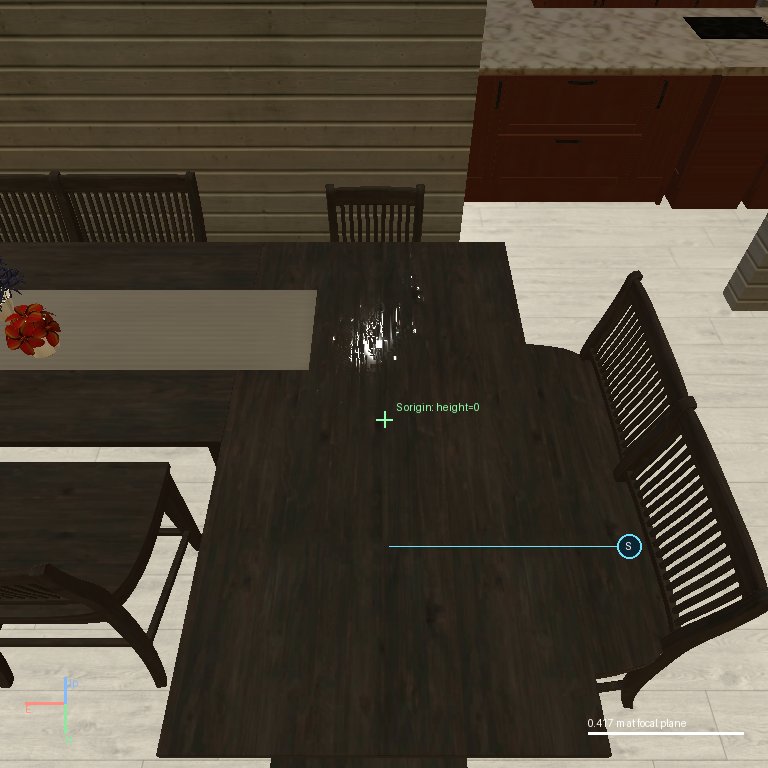
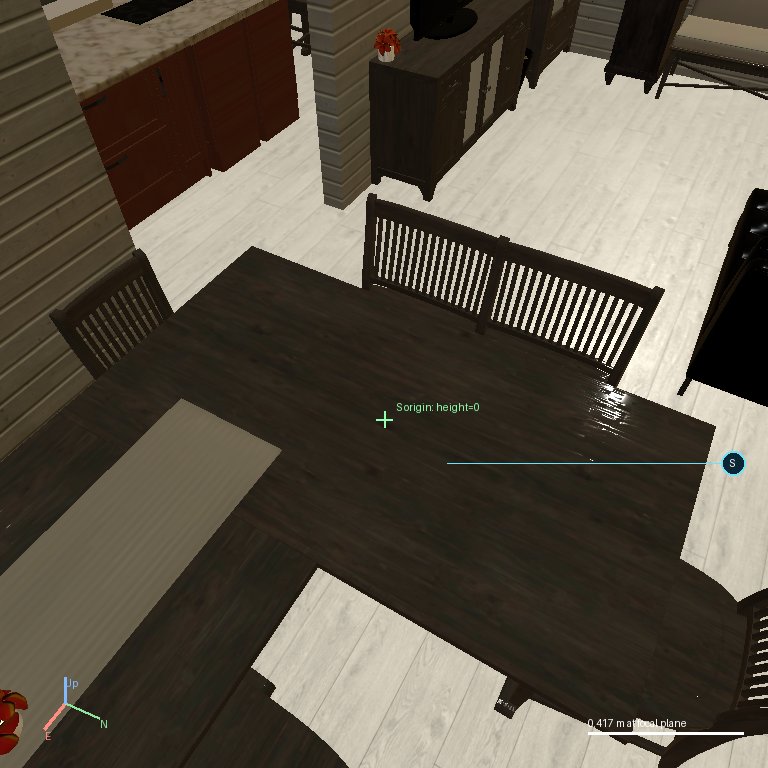
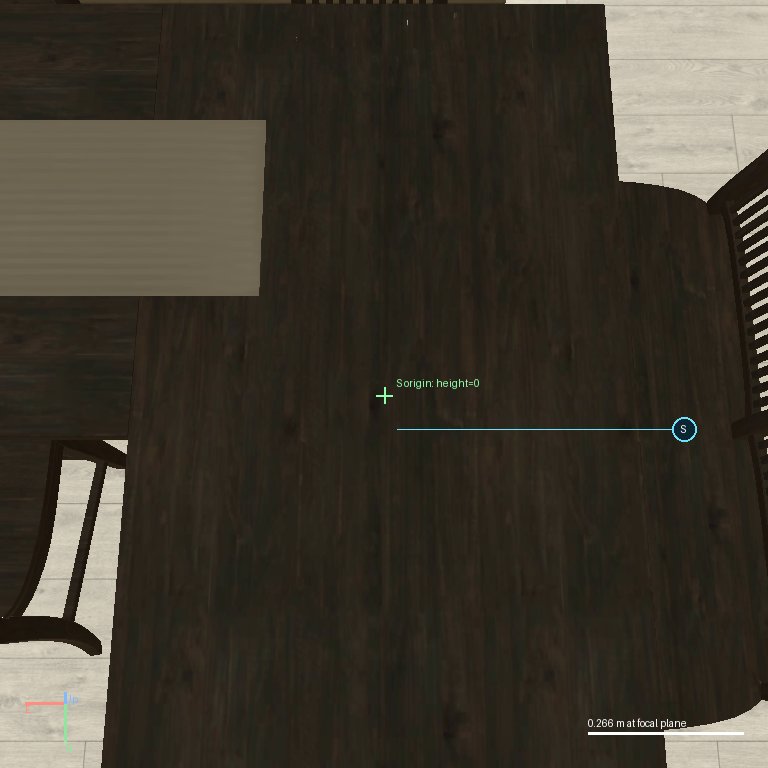
Step 1: observe_scene
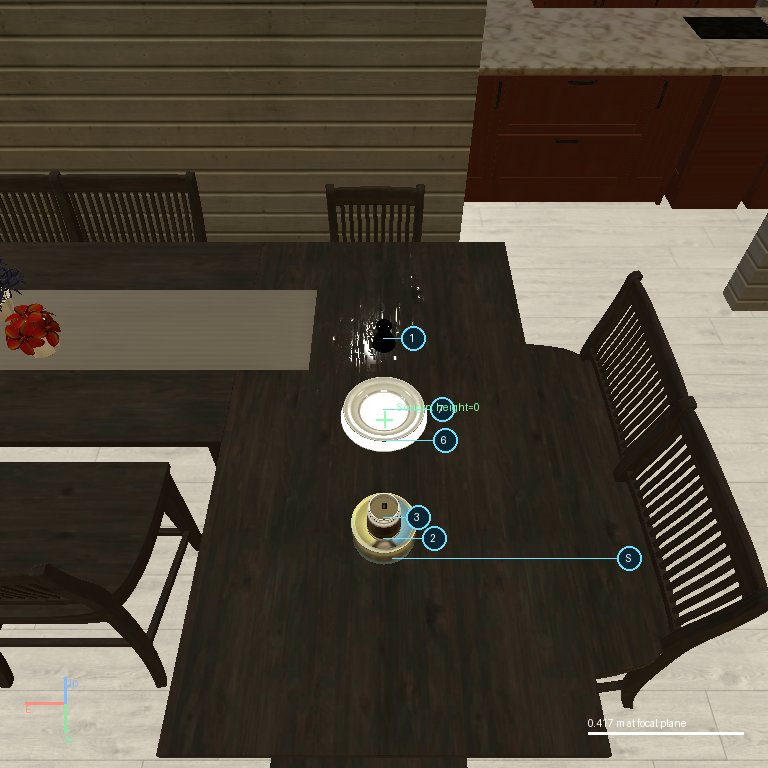
What GPT-6 was looking at when it chose this (observation 1)
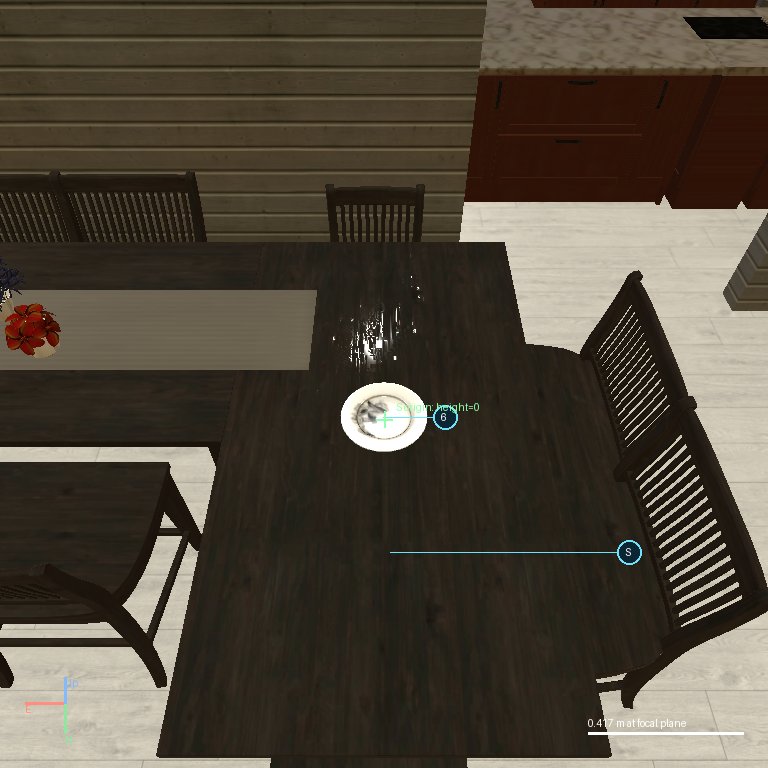
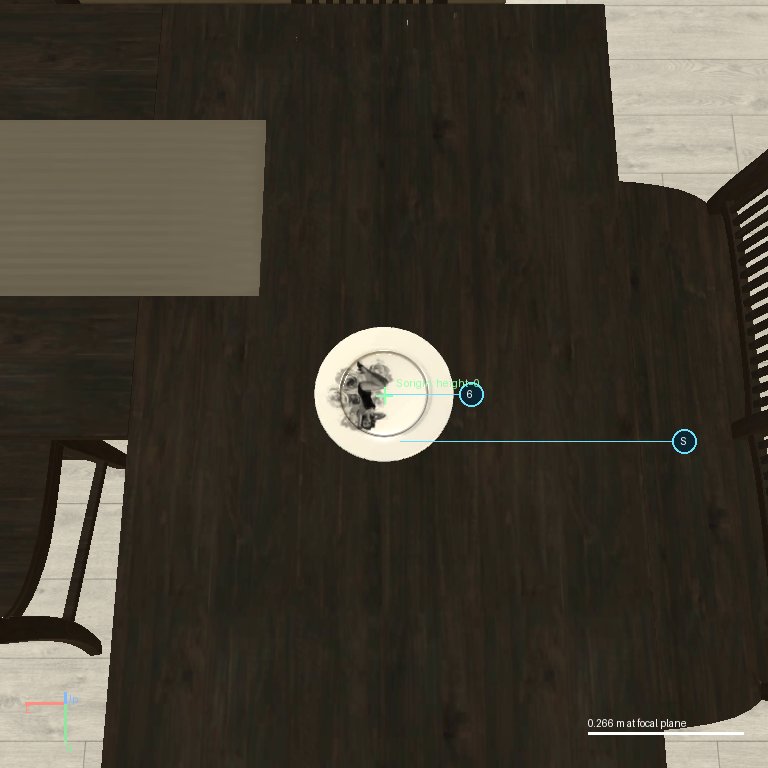
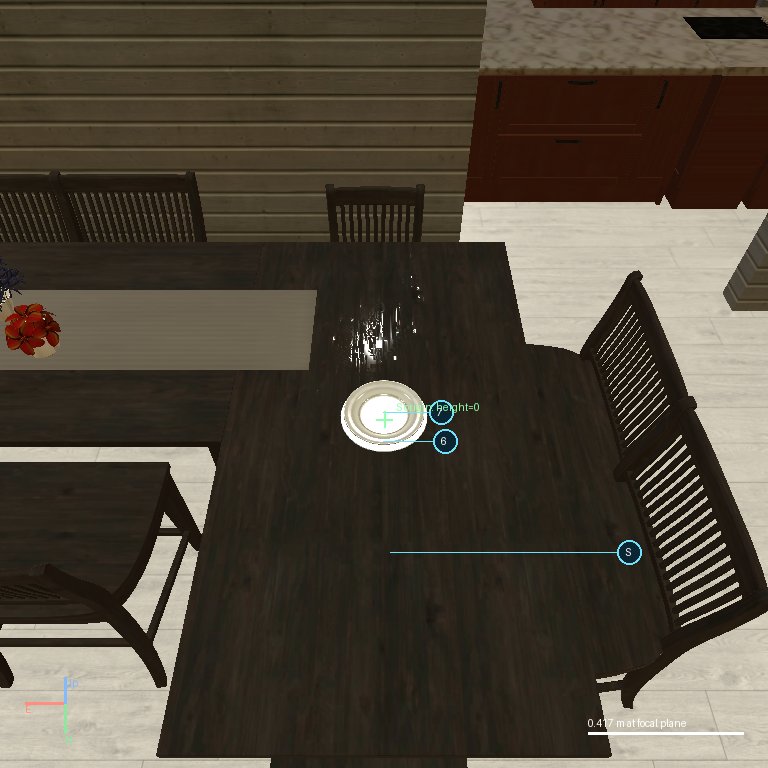
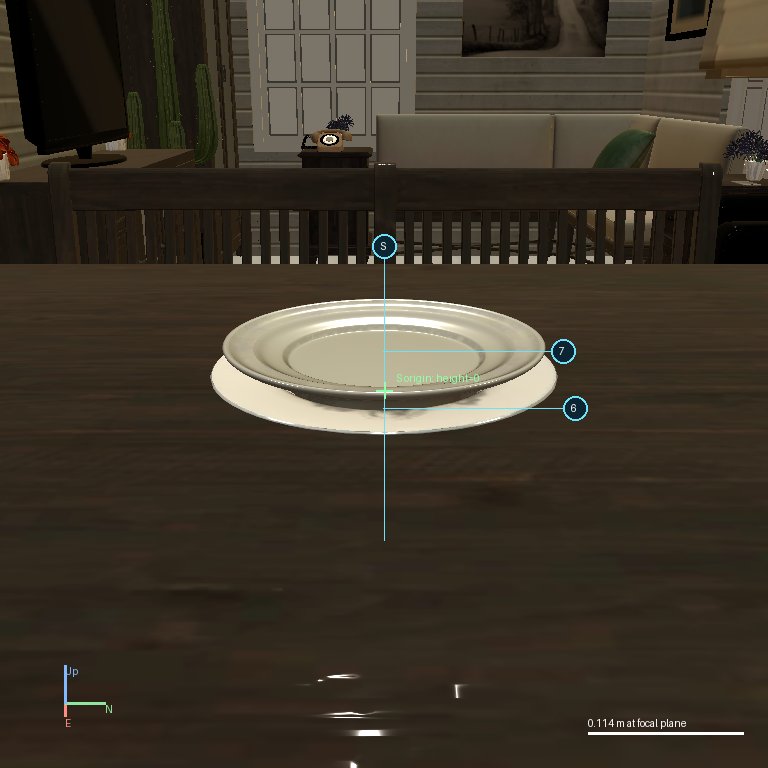
image 1, fixed overviewimage 2, chosen view
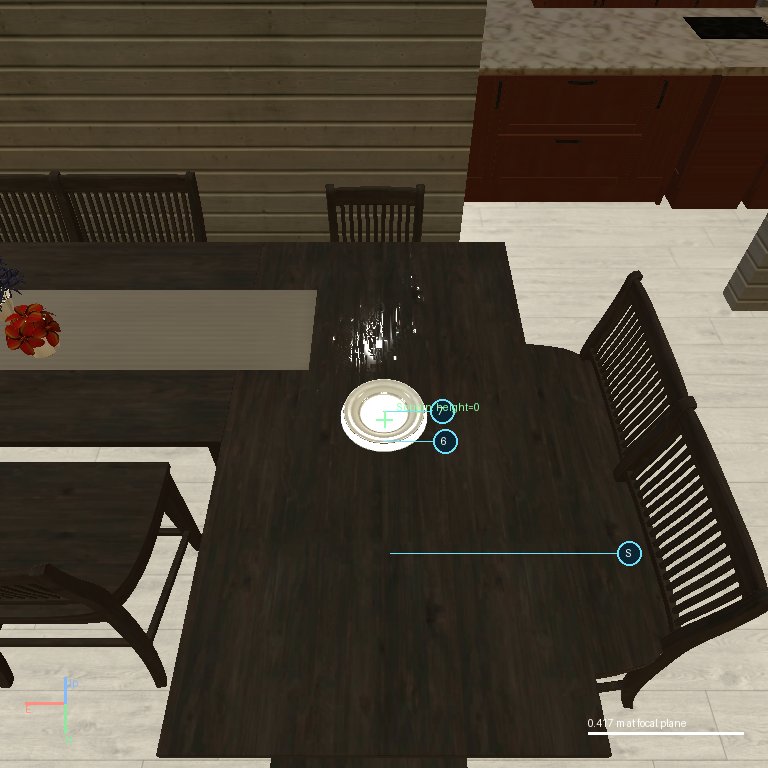
Looks: wide view of S (the table) from the north, nearly overhead (75°).
input 8,757 tokens (7,546 from cache), output 78 (43 of it hidden reasoning)
Step 5: place_object
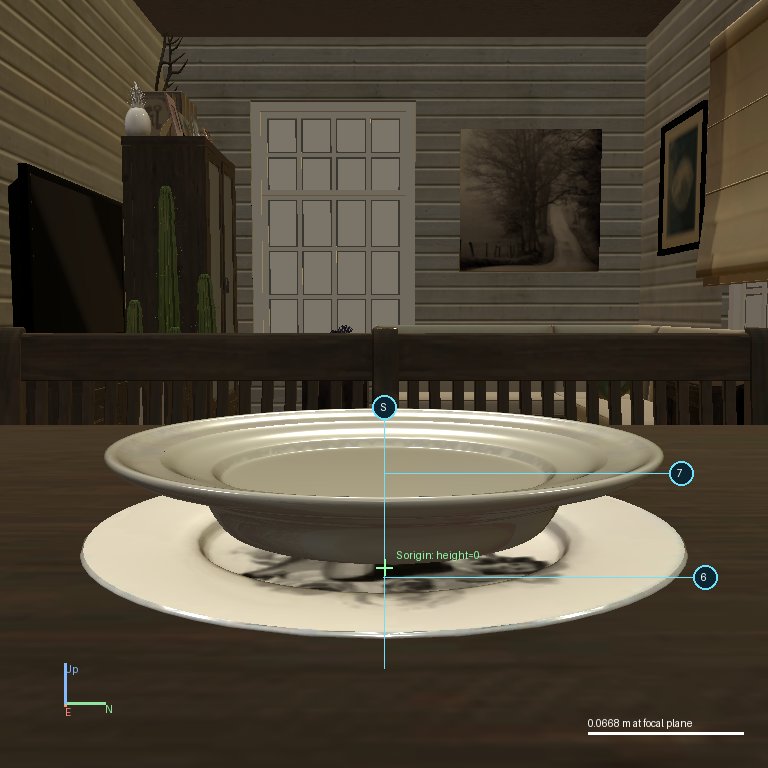
What GPT-6 was looking at when it chose this (observation 5)
image 1, fixed overview unchanged since observation 3image 2, chosen view new
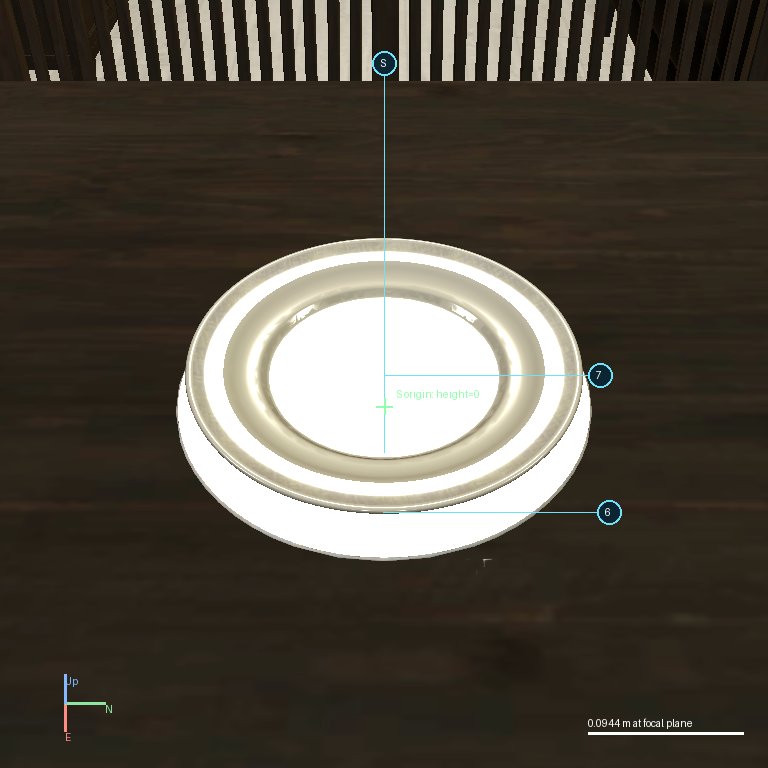
Places asset_7 at height 6 mm above the table, a height it has to work out itself from the catalog's scale bars and the views; nothing snaps into place.
input 11,747 tokens (9,904 from cache), output 73 (38 of it hidden reasoning)
Step 7: place_object
What GPT-6 was looking at when it chose this (observation 7)
image 1, fixed overview unchanged since observation 6image 2, chosen view new
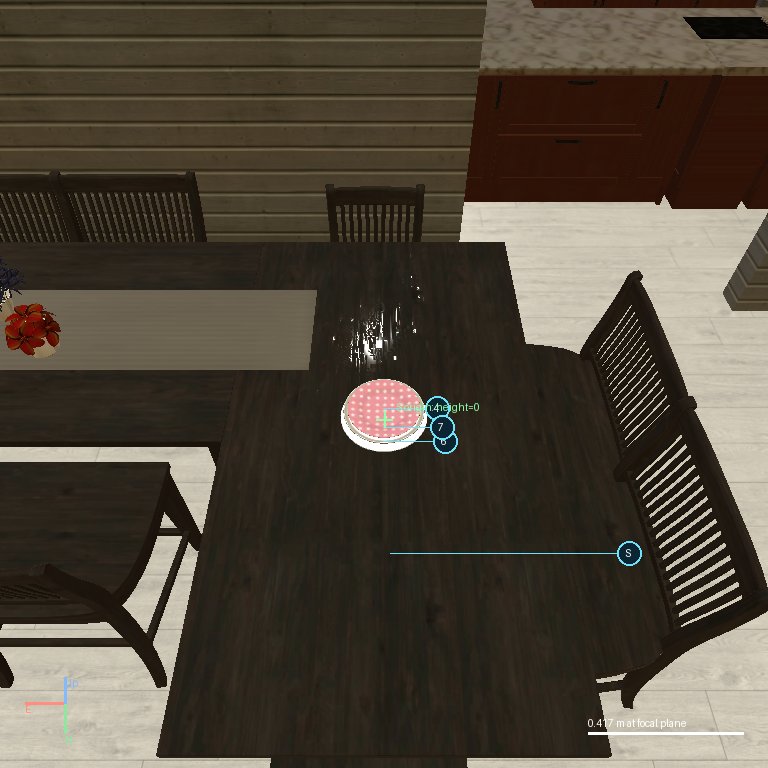
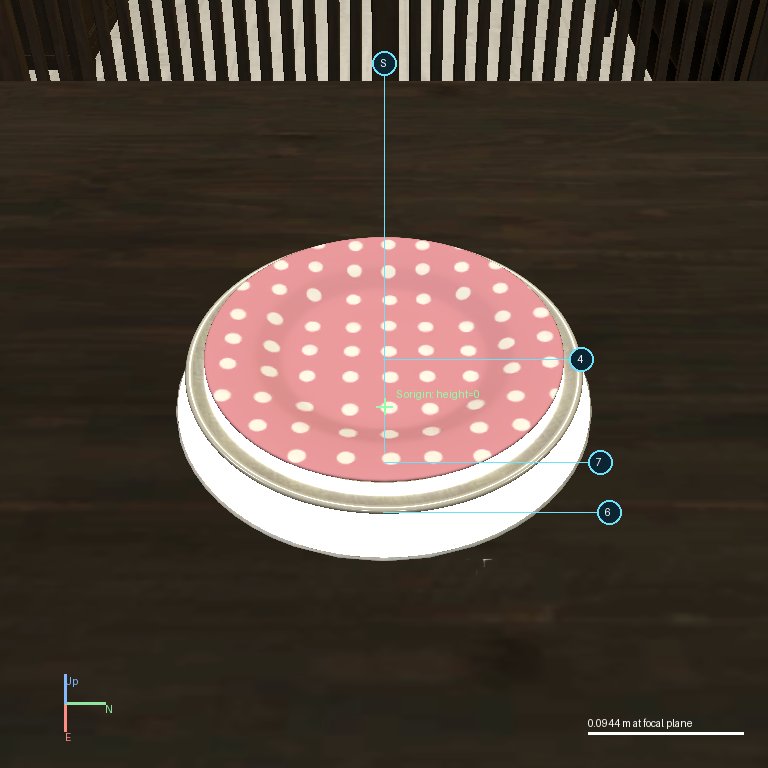
Places asset_4 at height 14 mm above the table, a height it has to work out itself from the catalog's scale bars and the views; nothing snaps into place.
input 17,973 tokens (16,092 from cache), output 557 (516 of it hidden reasoning)
Step 11: remove_object
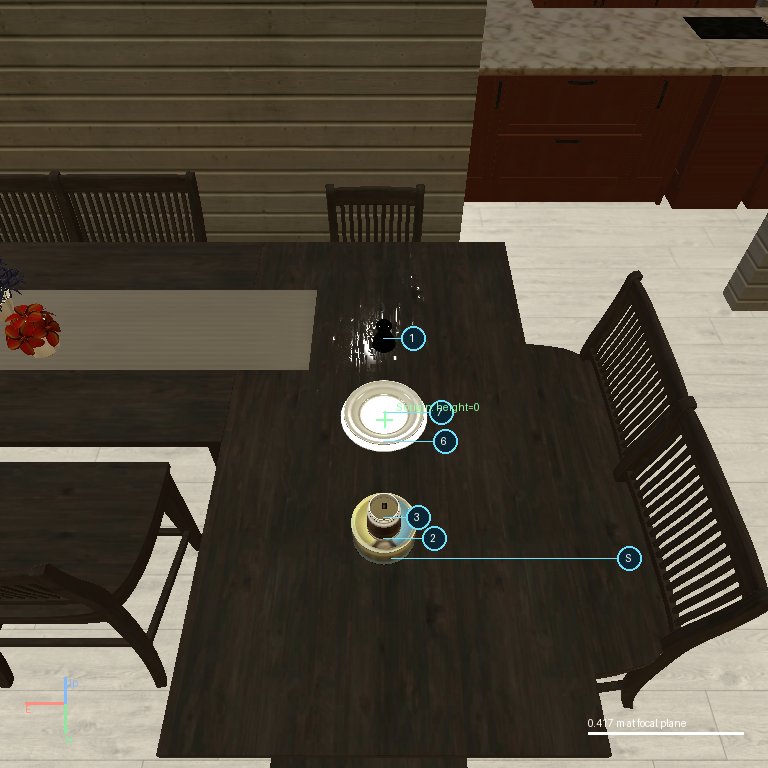
What GPT-6 was looking at when it chose this (observation 11)
image 1, fixed overview newimage 2, chosen view new
Removes asset_4 on purpose, to see or fix what is under or inside it; it places it again afterwards.
Tool call
remove_object {"asset_id": "asset_4"}
What came back
{"success": true}
input 20,275 tokens (17,970 from cache), output 512 (489 of it hidden reasoning)
Step 12: remove_object
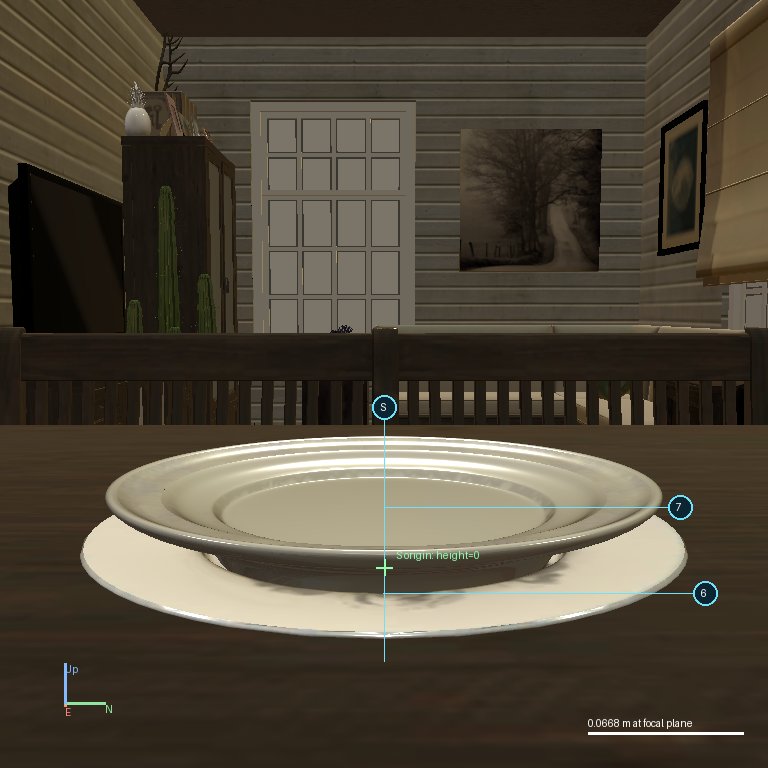
What GPT-6 was looking at when it chose this (observation 12)
image 1, fixed overview unchanged since observation 6image 2, chosen view new
Removes asset_7 on purpose, to see or fix what is under or inside it; it places it again afterwards.
Tool call
remove_object {"asset_id": "asset_7"}
What came back
{"success": true}
input 21,859 tokens (20,272 from cache), output 74 (51 of it hidden reasoning)
Step 13: place_object
What GPT-6 was looking at when it chose this (observation 13)
image 1, fixed overview unchanged since observation 3image 2, chosen view new
Places asset_7 at height 12 mm above the table, a height it has to work out itself from the catalog's scale bars and the views; nothing snaps into place.
input 23,005 tokens (21,856 from cache), output 942 (901 of it hidden reasoning)
Step 14: place_object
What GPT-6 was looking at when it chose this (observation 14)
image 1, fixed overview newimage 2, chosen view new
Places asset_4 at height 33 mm above the table, a height it has to work out itself from the catalog's scale bars and the views; nothing snaps into place.
input 25,692 tokens (23,002 from cache), output 39 (0 of it hidden reasoning)
Step 15: place_object
What GPT-6 was looking at when it chose this (observation 15)
image 1, fixed overview newimage 2, chosen view new
Places asset_5 at height 40 mm above the table, a height it has to work out itself from the catalog's scale bars and the views; nothing snaps into place.
input 33,018 tokens (31,878 from cache), output 115 (80 of it hidden reasoning)
Step 20: place_object
What GPT-6 was looking at when it chose this (observation 20)
image 1, fixed overview unchanged since observation 18image 2, chosen view new
Places asset_3 at height 12 mm above the table, a height it has to work out itself from the catalog's scale bars and the views; nothing snaps into place.
input 14,857 tokens (13,034 from cache), output 93 (52 of it hidden reasoning)
Step 36: place_object
What GPT-6 was looking at when it chose this (observation 36)
image 1, fixed overview unchanged since observation 33image 2, chosen view unchanged since observation 33
Places asset_4 at height 33 mm above the table, a height it has to work out itself from the catalog's scale bars and the views; nothing snaps into place.
input 19,394 tokens (17,584 from cache), output 210 (169 of it hidden reasoning)
Step 40: remove_object
What GPT-6 was looking at when it chose this (observation 40)
image 1, fixed overview newimage 2, chosen view new
Removes asset_4 on purpose, to see or fix what is under or inside it; it places it again afterwards.
Tool call
remove_object {"asset_id": "asset_4"}
What came back
{"success": true}
input 21,349 tokens (19,391 from cache), output 539 (516 of it hidden reasoning)
Step 41: place_object
What GPT-6 was looking at when it chose this (observation 41)
image 1, fixed overview unchanged since observation 33image 2, chosen view unchanged since observation 33
Places asset_5 at height 32 mm above the table, a height it has to work out itself from the catalog's scale bars and the views; nothing snaps into place.
input 25,898 tokens (24,066 from cache), output 116 (75 of it hidden reasoning)
Step 44: place_object
What GPT-6 was looking at when it chose this (observation 44)
image 1, fixed overview newimage 2, chosen view new
Places asset_4 at height 32 mm above the table, a height it has to work out itself from the catalog's scale bars and the views; nothing snaps into place.